Valerian
Valeriana officinalis
About
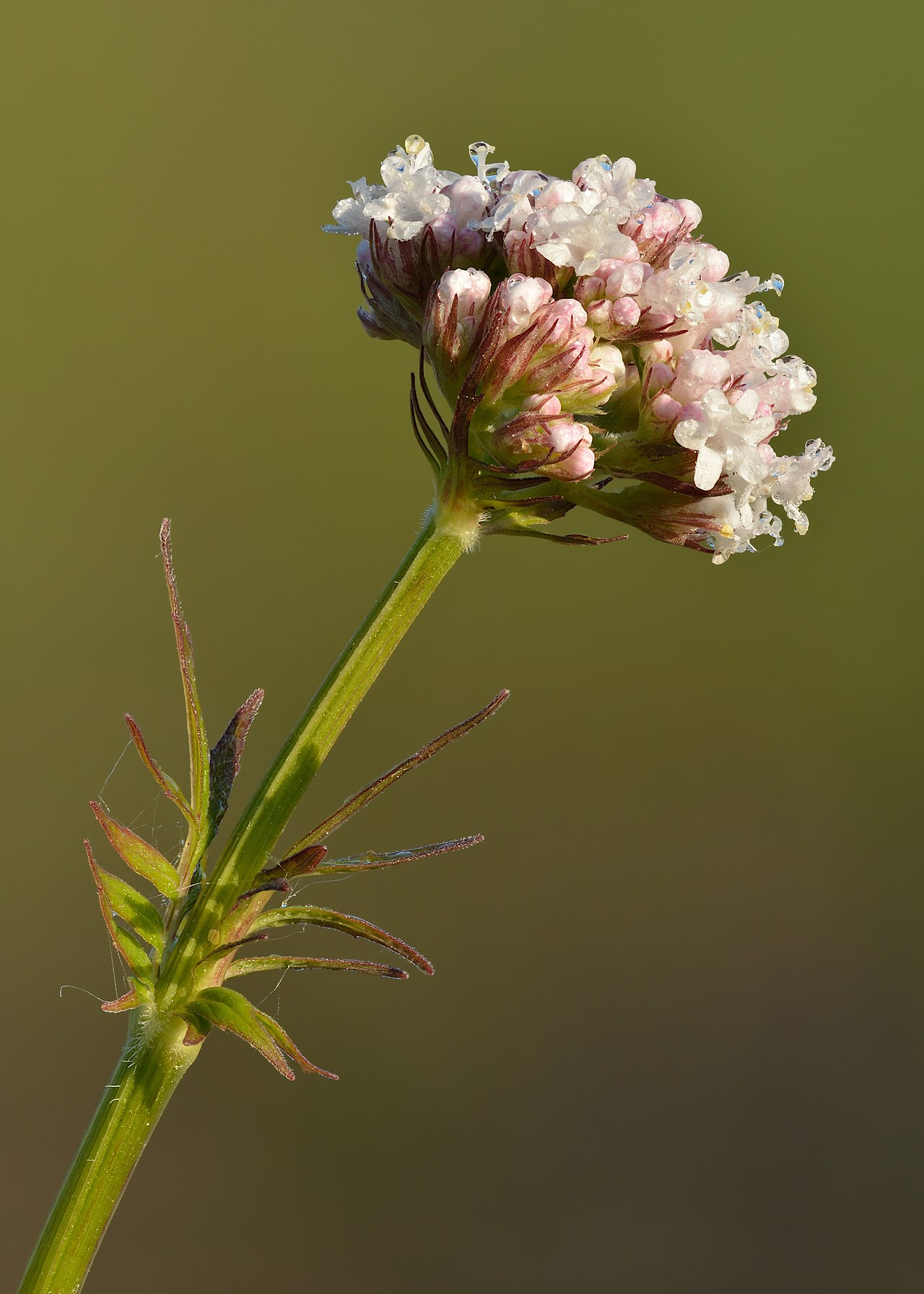
Valerian (Valeriana officinalis, Caprifoliaceae) is a perennial flowering plant native to Europe and Asia. In the summer when the mature plant may have a height of 1.5 metres (5 ft), it bears sweetly scented pink or white flowers that attract many fly species, especially hoverflies of the genus Eristalis. It is consumed as food by the larvae of some Lepidoptera (butterfly and moth) species, including the grey pug.
- Family
- Caprifoliaceae
How to use it
This plant can be grown in gardens to support local biodiversity. Its sweetly scented pink or white flowers are highly effective at attracting beneficial insects, specifically hoverflies of the genus Eristalis. Additionally, it serves an ecological purpose as a larval food source for butterfly and moth species, including the grey pug.
Sources: en.wikipedia.org
Gardening tip
When planting Valerian, ensure it has enough space to grow tall, as it can reach heights of up to 5 feet. This helps it thrive and attract the right pollinators.
Sources: en.wikipedia.org
Ecology
How it lives
- Propagated by
- Seed
Full detailsevery field on the record, to copy
- Name
- Valerian
- Slug
- valerian
- Kingdom
- Plantae
- Family
- Caprifoliaceae
- Genus
- Valeriana
- Species
- officinalis
- Category
- Herb
- Wikidata QID
- Q157819
- Propagule type
- seed
- Container suitable
- No
- Indoor suitable
- No
- OSSI pledged
- No
- Hazard level
- 1
- Data completeness
- 48
Generated sections & citations
summaryinaturalist
fun_facts_kidsllm_gemini · confidence 1.00
- inaturalist (description.summary) — https://en.wikipedia.org/wiki/Valerian_(herb)
fun_facts_adultllm_gemini · confidence 1.00
- inaturalist (description.summary) — https://en.wikipedia.org/wiki/Valerian_(herb)
how_to_usellm_gemini · confidence 1.00
- inaturalist (description.summary) — https://en.wikipedia.org/wiki/Valerian_(herb)
gardening_tipllm_openai · confidence 0.90
- inaturalist (description.summary) — https://en.wikipedia.org/wiki/Valerian_(herb)