Thai Holy Basil
Ocimum tenuiflorum
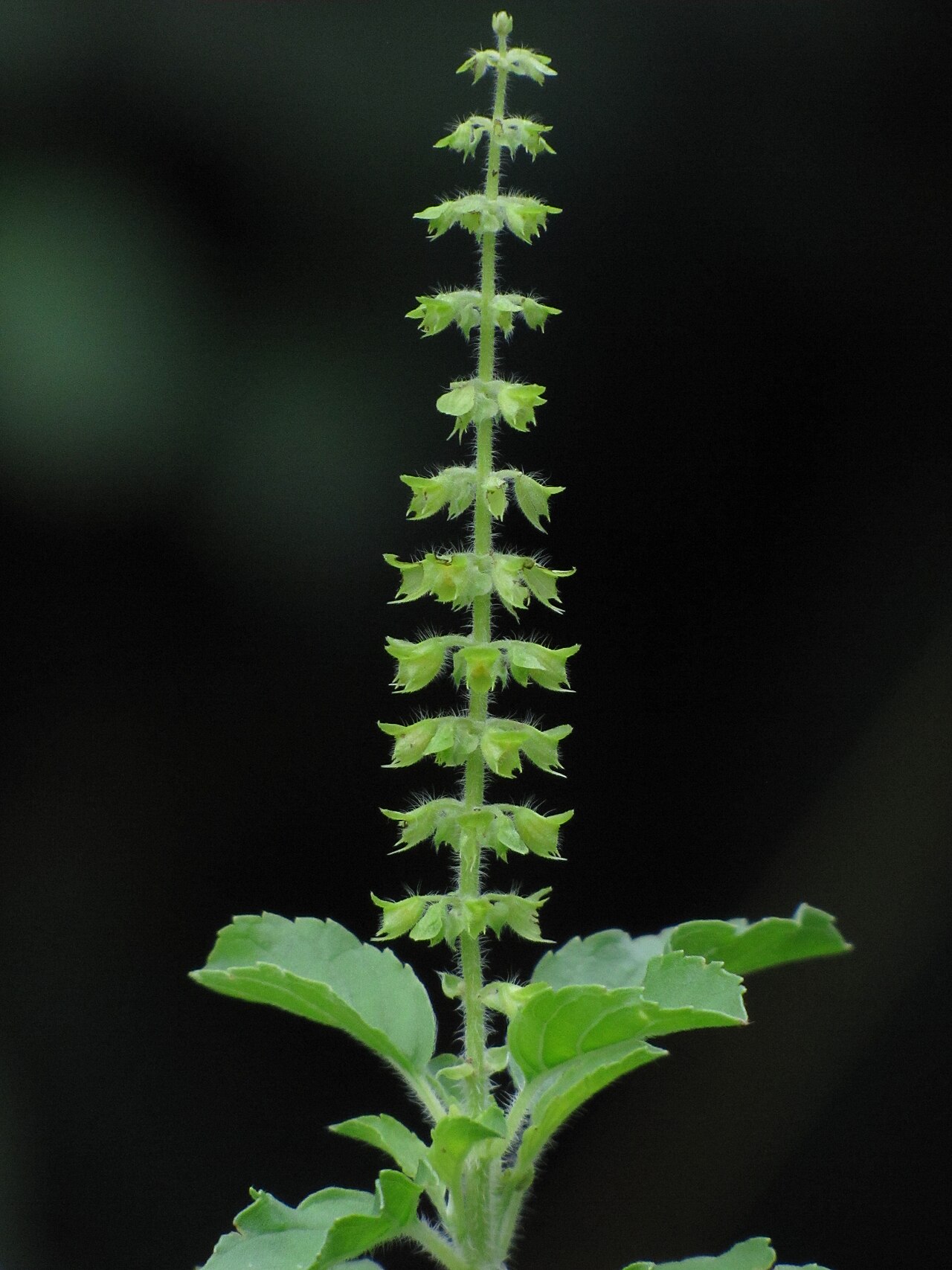
Sacred in Hindu tradition. Peppery, clove-like flavor essential for Thai stir-fries. Not to be confused with Thai sweet basil.
The story
Known as Tulsi, this plant is sacred in Hinduism and has been cultivated in India for over 5,000 years. It is traditionally planted near temples and homes for spiritual protection.
- Origin
- Indian subcontinent, India
- Family
- Lamiaceae
About
Ocimum tenuiflorum (synonym Ocimum sanctum), commonly known as holy basil, tulasi (sometimes spelled thulasi) or tulsi, is an aromatic perennial plant in the family Lamiaceae which is native to the Indian subcontinent and widespread as a cultivated plant throughout the Southeast Asian tropics.
At a glance
What it needs
Water
Regular
USDA hardiness
Zones 10–12
Days to maturity
60 days
Ecology
How it lives
- Propagated by
- Seed
Known as
Names around the world
- ar
- ريحان مقدس
- en
- Holy Basil, Tulsi
- hi
- तुलसी
- th
- กะเพรา
Full detailsevery field on the record, to copy
- Name
- Thai Holy Basil
- Slug
- thai-holy-basil
- Kingdom
- Plantae
- Family
- Lamiaceae
- Genus
- Ocimum
- Species
- tenuiflorum
- Category
- Herb
- Hardiness zone (min)
- 10
- Hardiness zone (max)
- 12
- Sunlight
- Full Sun
- Water needs
- Regular
- Days to maturity
- 60
- Germination rate
- 80%
- Propagule type
- seed
- Pollination type
- Open-pollinated
- Origin country
- India
- Origin region
- Indian subcontinent
- Container suitable
- Yes
- Indoor suitable
- Yes
- OSSI pledged
- No
- Hazard level
- 1
- Data completeness
- 73
Generated sections & citations
summaryinaturalist