Striped Roman
Solanum lycopersicum
The story
The history of this plant is deeply rooted in the Americas. Its journey began in western South America, where indigenous peoples in Peru and Ecuador may have first cultivated it as a food source. The modern name we use traces back to the Nahuatl word 'tomatl' from the Aztecs, which the Spanish adapted into 'tomate' during the 16th century Columbian exchange.
Sources: en.wikipedia.org, en.wikipedia.org
How to use it
This plant is widely cultivated as a food crop for its edible fruit. It can be grown across a exceptionally wide geographical range, thriving in USDA hardiness zones 3 through 11.
Sources: Grangery, en.wikipedia.org, en.wikipedia.org
Gardening tip
When planning your garden, keep in mind that this plant is hardy in USDA zones 3 to 11, making it highly adaptable to many climates.
Sources: Grangery
In the kitchen
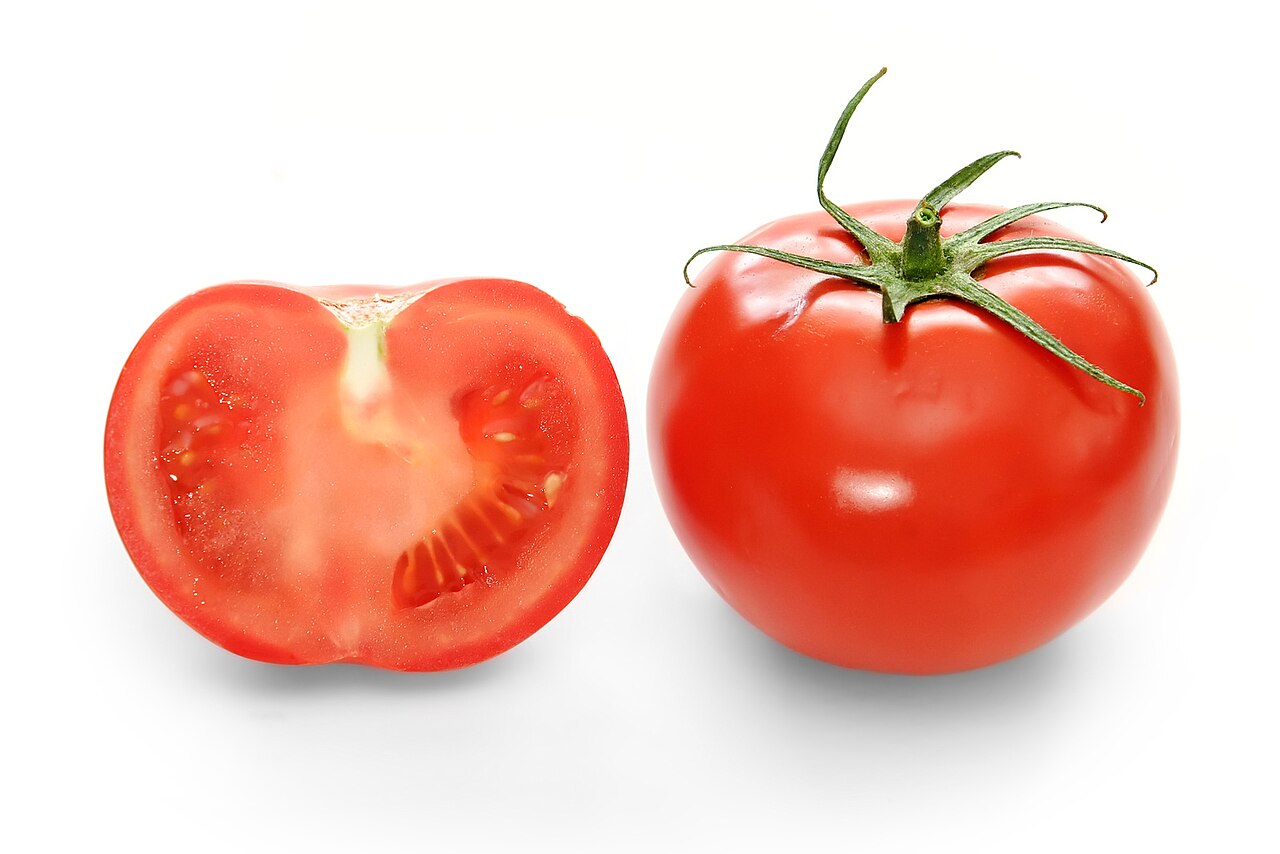
The tomato is widely used as a cultivated food, producing an edible berry that is commonly eaten as a vegetable.
Sources: en.wikipedia.org, en.wikipedia.org
About
The tomato (see pronunciation) is the edible, often red, fruit of the plant Solanum lycopersicum, commonly known as a tomato plant. The plant belongs to the nightshade family, Solanaceae. The species originated in western South America. The Nahuatl (Aztec language) word tomatl gave rise to the Spanish word "tomate", from which the English word tomato derived. Its use as a cultivated food may have originated with the indigenous peoples of Peru and Ecuador. The Spanish discovered...
At a glance
What it needs
USDA hardiness
Zones 3–11
Ecology
How it lives
- Propagated by
- Seed
Full detailsevery field on the record, to copy
- Name
- Striped Roman
- Slug
- striped-roman
- Kingdom
- Plantae
- Genus
- Solanum
- Species
- lycopersicum
- Category
- Tomato
- Hardiness zone (min)
- 3
- Hardiness zone (max)
- 11
- Average height (cm)
- 0
- Propagule type
- seed
- Container suitable
- No
- Indoor suitable
- No
- OSSI pledged
- No
- Hazard level
- 1
- Data completeness
- 47
Generated sections & citations
summaryinaturalist
fun_facts_kidsllm_gemini · confidence 1.00
- inaturalist (description.summary) — https://en.wikipedia.org/wiki/Solanum lycopersicum
- wikipedia (description.summary) — https://en.wikipedia.org/wiki/Tomato
fun_facts_adultllm_gemini · confidence 1.00
- gbif (taxonomy)
- inaturalist (description.summary) — https://en.wikipedia.org/wiki/Solanum lycopersicum
- wikipedia (description.summary) — https://en.wikipedia.org/wiki/Tomato
cookingllm_gemini · confidence 1.00
- inaturalist (description.summary) — https://en.wikipedia.org/wiki/Solanum lycopersicum
- wikipedia (description.summary) — https://en.wikipedia.org/wiki/Tomato
storyllm_gemini · confidence 1.00
- inaturalist (description.summary) — https://en.wikipedia.org/wiki/Solanum lycopersicum
- wikipedia (description.summary) — https://en.wikipedia.org/wiki/Tomato
how_to_usellm_gemini · confidence 1.00
- sprigloom (hardiness)
- inaturalist (description.summary) — https://en.wikipedia.org/wiki/Solanum lycopersicum
- wikipedia (description.summary) — https://en.wikipedia.org/wiki/Tomato
gardening_tipllm_gemini · confidence 1.00
- sprigloom (hardiness)