Iceberg
Lactuca sativa
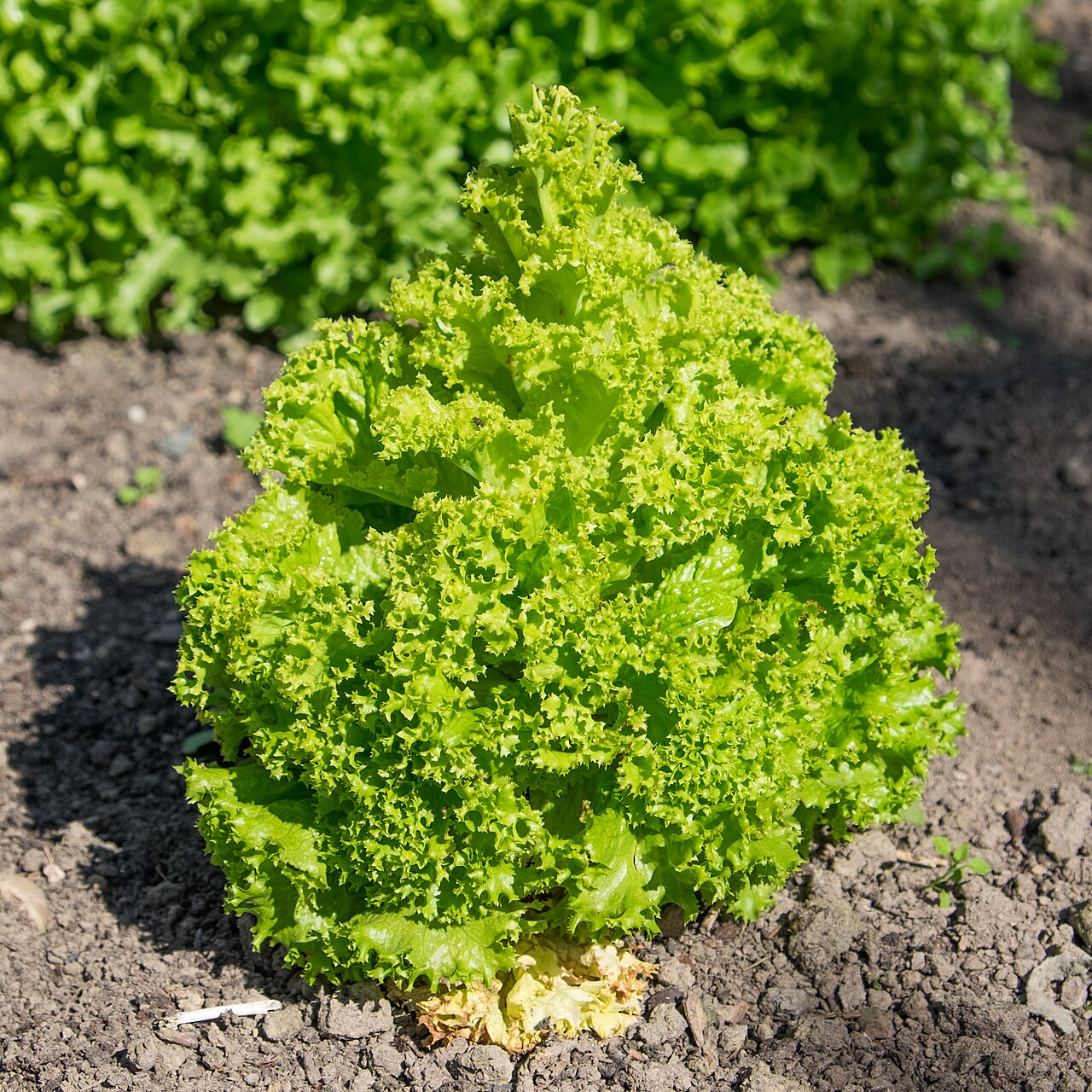
The story
Cultivated lettuce, known scientifically as Lactuca sativa, has a wild side. Its closest wild relative is Lactuca serriola, a plant commonly found along roadsides and orchards. While the wild cousin is often considered a weed with a slightly unpleasant odor, it shares a direct lineage with the crisp, mild garden lettuce we enjoy today.
Sources: Gbif, en.wikipedia.org
- Family
- Asteraceae
How to use it
Beyond its primary agricultural use as a global food crop, lettuce has historically served medicinal and religious purposes. Today, it is a major industrial crop, with global production led by China, which produced 53% of the world's 28 million tonnes of lettuce in 2023.
Sources: en.wikipedia.org
Gardening tip
When planning your garden, keep in mind that this versatile leaf vegetable is highly adaptable, growing successfully across a wide range of climates from USDA hardiness zones 2 through 11.
Sources: Grangery, en.wikipedia.org
In the kitchen
Lettuce is primarily grown as a leaf vegetable, with its leaves most often served raw in green salads, sandwiches, and wraps. However, it is surprisingly versatile and can also be grilled or added to soups. Depending on the variety, other parts of the plant are edible too; for instance, the stems of celtuce can be eaten raw or cooked, and the seeds are also sometimes used.
Sources: en.wikipedia.org
About
Lactuca serriola, also called prickly lettuce, milk thistle (not to be confused with Silybum marianum, also called milk thistle) compass plant, and scarole, is an annual or biennial plant in the dandelion tribe within the daisy family. It has a slightly fetid odor and is commonly considered a weed of orchards, roadsides and field crops. It is the closest wild relative of cultivated lettuce (Lactuca sativa L.).
At a glance
What it needs
USDA hardiness
Zones 2–11
Ecology
How it lives
- Propagated by
- Seed
Full detailsevery field on the record, to copy
- Name
- Iceberg
- Slug
- iceberg
- Kingdom
- Plantae
- Family
- Asteraceae
- Genus
- Lactuca
- Species
- sativa
- Category
- Lettuce
- Hardiness zone (min)
- 2
- Hardiness zone (max)
- 11
- Average height (cm)
- 0
- Propagule type
- seed
- Container suitable
- No
- Indoor suitable
- No
- OSSI pledged
- No
- Hazard level
- 1
- Data completeness
- 52
Generated sections & citations
summaryinaturalist
how_to_usellm_gemini · confidence 1.00
- wikipedia (description.summary) — https://en.wikipedia.org/wiki/Lettuce
fun_facts_kidsllm_gemini · confidence 1.00
- gbif (taxonomy)
- wikidata (common_name)
- wikipedia (description.summary) — https://en.wikipedia.org/wiki/Lettuce
fun_facts_adultllm_gemini · confidence 1.00
- gbif (taxonomy)
- wikipedia (description.summary) — https://en.wikipedia.org/wiki/Lettuce
cookingllm_gemini · confidence 1.00
- wikipedia (description.summary) — https://en.wikipedia.org/wiki/Lettuce
storyllm_gemini · confidence 1.00
- gbif (taxonomy)
- inaturalist (description.summary) — https://en.wikipedia.org/wiki/Lactuca serriola
gardening_tipllm_gemini · confidence 1.00
- sprigloom (hardiness)
- wikipedia (description.summary) — https://en.wikipedia.org/wiki/Lettuce