Hutterite Soup Bean
Phaseolus vulgaris 'Hutterite Soup'
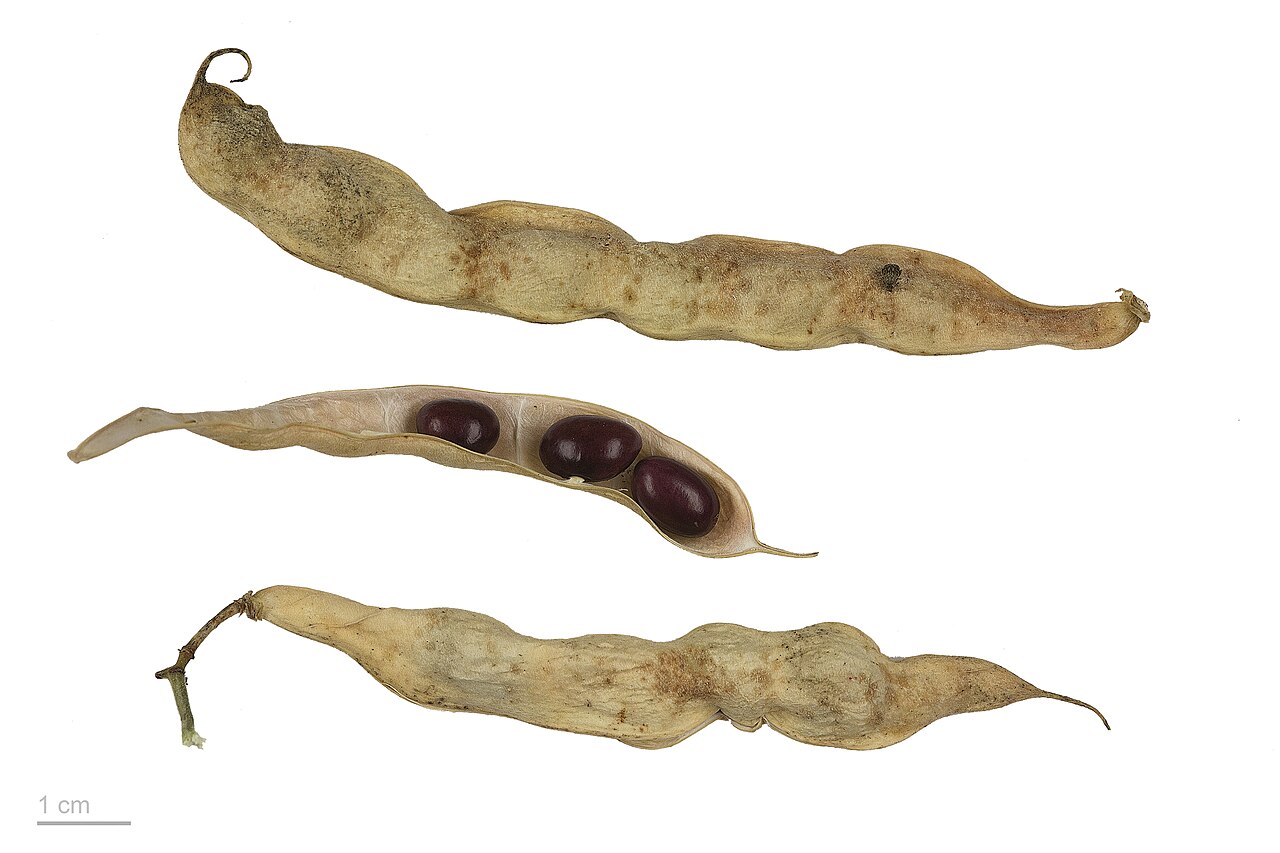
Pale green to cream-colored dry bean with exceptional flavor in soups and stews. Carried by Hutterite communities fleeing persecution in Europe.
The story
Brought to North America in the 1870s by Hutterite Christians fleeing persecution in Europe. The variety has been maintained by Hutterite communities on the northern Great Plains for over 150 years.
- Origin
- Central Europe, Austria
- Dates from
- c. 1870
- Family
- Fabaceae
How to use it
This versatile legume is grown globally for its edible dry seeds and unripe green bean fruits. Beyond human consumption, the plant's leaves are occasionally harvested as a vegetable, and its straw is utilized as fodder for animals.
Sources: en.wikipedia.org
In the kitchen
The common bean is grown worldwide for its edible dry seeds or its unripe fruit, known as green beans. However, caution is required in the kitchen: raw or undercooked beans contain a toxic protein called phytohaemagglutinin. Additionally, the leaves of this plant are occasionally used as a vegetable.
Sources: en.wikipedia.org
About
Phaseolus vulgaris, the common bean (also known as the string bean, field bean, flageolet bean, French bean, garden bean, green bean, haricot bean, pop bean, snap bean, or snap), is a herbaceous annual plant grown worldwide for its edible dry seed (known as just "beans") or unripe fruit (green beans). Raw or undercooked beans contain a toxic protein called phytohaemagglutinin. Its leaf is also occasionally used as a vegetable and the straw as fodder. Its botanical...
At a glance
What it needs
Water
Moderate
USDA hardiness
Zones 3–9
Days to maturity
85 days
Ecology
How it lives
- Propagated by
- Seed
Known as
Names around the world
- de
- Hutterische Supenbohne
- en
- Hutterite Soup Bean
Full detailsevery field on the record, to copy
- Name
- Hutterite Soup Bean
- Slug
- hutterite-soup-bean
- Kingdom
- Plantae
- Family
- Fabaceae
- Genus
- Phaseolus
- Species
- vulgaris
- Cultivar
- Hutterite Soup
- Category
- Legume
- Hardiness zone (min)
- 3
- Hardiness zone (max)
- 9
- Sunlight
- Full Sun
- Water needs
- Moderate
- Days to maturity
- 85
- Germination rate
- 90%
- Propagule type
- seed
- Pollination type
- Self-pollinating
- Origin country
- Austria
- Origin region
- Central Europe
- Estimated year
- 1870
- Container suitable
- No
- Indoor suitable
- No
- OSSI pledged
- No
- Hazard level
- 1
- Data completeness
- 73
Generated sections & citations
summaryinaturalist
fun_facts_kidsllm_gemini · confidence 1.00
- inaturalist (description.summary) — https://en.wikipedia.org/wiki/Phaseolus vulgaris
- wikipedia (description.summary) — https://en.wikipedia.org/wiki/Phaseolus_vulgaris
fun_facts_adultllm_gemini · confidence 1.00
- gbif (taxonomy)
- inaturalist (description.summary) — https://en.wikipedia.org/wiki/Phaseolus vulgaris
- wikipedia (description.summary) — https://en.wikipedia.org/wiki/Phaseolus_vulgaris
cookingllm_gemini · confidence 1.00
- inaturalist (description.summary) — https://en.wikipedia.org/wiki/Phaseolus vulgaris
how_to_usellm_gemini · confidence 1.00
- inaturalist (description.summary) — https://en.wikipedia.org/wiki/Phaseolus vulgaris