2Learn
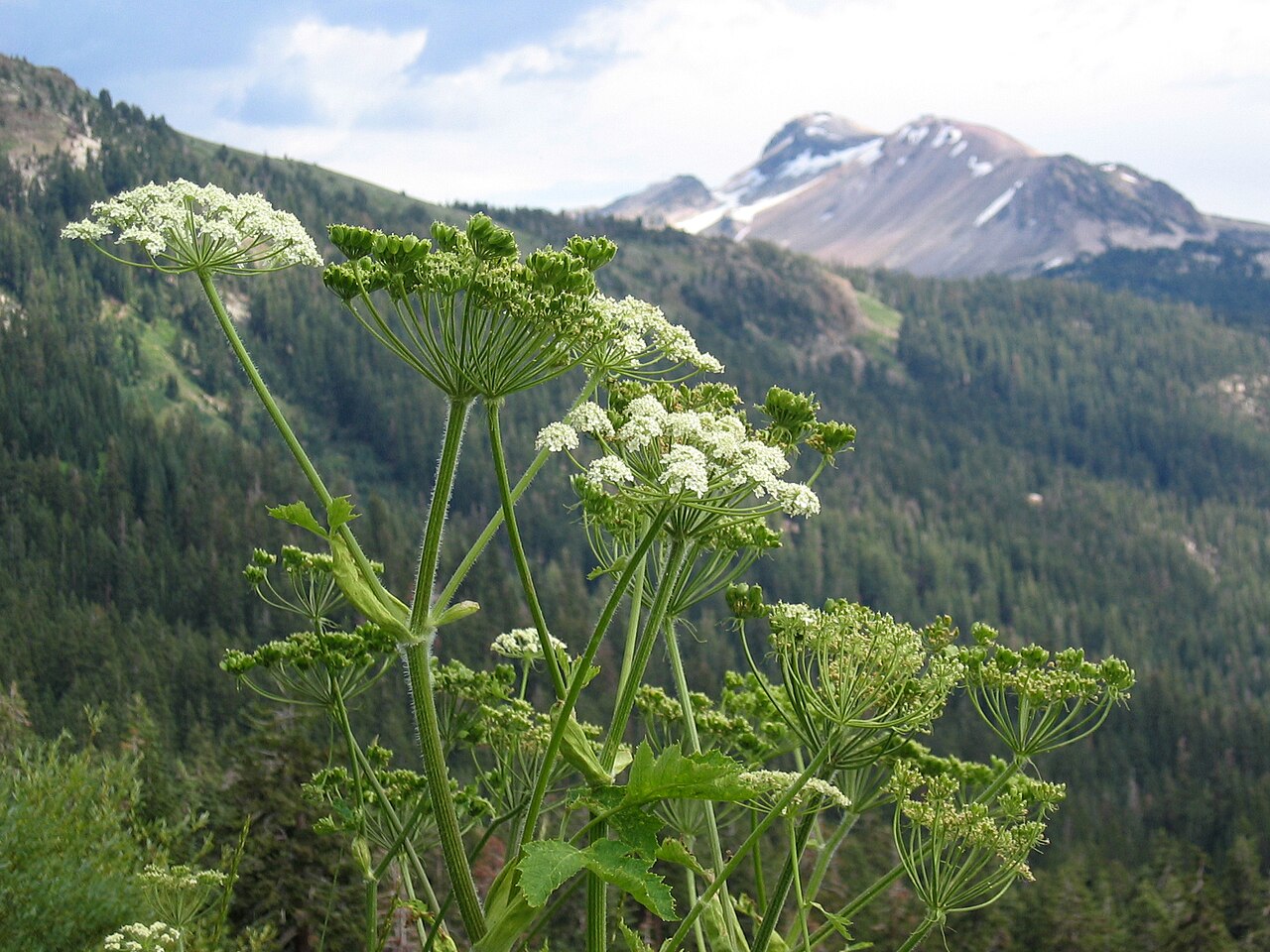
Cow parsnip
Heracleum maximum
How to use it
Common Cowparsnip has been used traditionally for various purposes, including medicinal uses by Indigenous peoples. Its large leaves can provide shade and habitat for wildlife, making it beneficial for local ecosystems. However, caution is advised due to its potential toxicity.
Sources: en.wikipedia.org
In the kitchen
Common Cowparsnip is not typically eaten by humans, as some parts can be toxic or cause skin irritation. It's best to admire this plant from a distance rather than try to cook with it.
Sources: en.wikipedia.org
Ecology
How it lives
- Propagated by
- Seed
Full detailsevery field on the record, to copy
- Name
- Heracleum maximum
- Slug
- heracleum-maximum
- Kingdom
- Plantae
- Family
- Apiaceae
- Genus
- Heracleum
- Species
- maximum
- Wikidata QID
- Q2896924
- Propagule type
- seed
- Container suitable
- No
- Indoor suitable
- No
- OSSI pledged
- No
- Hazard level
- 1
- Data completeness
- 43
Generated sections & citations
summarywikipedia
fun_facts_kidsllm_openai · confidence 0.80
- wikidata (common_name)
fun_facts_adultllm_openai · confidence 0.80
- wikipedia (description.summary) — https://en.wikipedia.org/wiki/Heracleum_maximum
cookingllm_openai · confidence 0.80
- wikipedia (description.summary) — https://en.wikipedia.org/wiki/Heracleum_maximum
how_to_usellm_openai · confidence 0.80
- wikipedia (description.summary) — https://en.wikipedia.org/wiki/Heracleum_maximum