Glass Gem Corn
Zea mays 'Glass Gem'
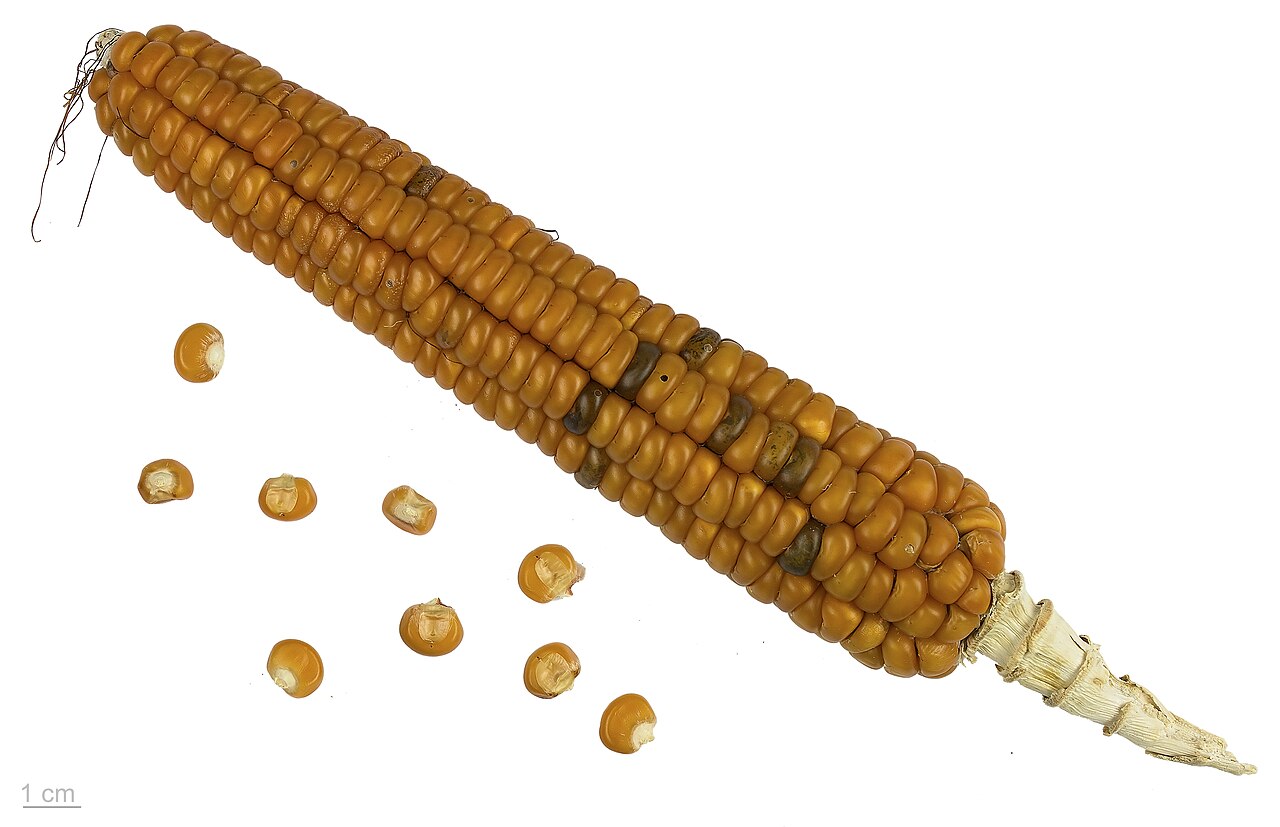
Stunning translucent, jewel-colored kernels in every color of the rainbow. Each ear is unique. A living work of art bred by Carl Barnes.
The story
Developed by Carl Barnes, a part-Cherokee farmer in Oklahoma, who spent years reconnecting with his Native American heritage through corn breeding. He selected for translucent, jewel-toned kernels, creating what went viral as "the most beautiful corn in the world."
- Origin
- Oklahoma, United States
- Dates from
- c. 2010
- Family
- Poaceae
The wider story
About 9,000 to 10,000 years ago, indigenous peoples in southern Mexico domesticated maize from a wild grass called teosinte. Native Americans traditionally planted this staple crop in a companion-planting system known as the Three Sisters polyculture, growing it alongside beans and squashes.
Sources: en.wikipedia.org, Wikidata, en.wikipedia.org
How to use it
As a cereal grain, this plant produces ears yielding kernels or seeds. It can be grown across a wide range of climates, being suitable for USDA hardiness zones 3 to 11.
Sources: Grangery, en.wikipedia.org, en.wikipedia.org
About
Maize (/meɪz/ MAYZ; Zea mays subsp. mays, from Spanish: maíz after Taíno mahiz), also known as corn, is a cereal grain first domesticated by indigenous peoples in southern Mexico about 10,000 years ago. The leafy stalk of the plant produces separate pollen and ovuliferous inflorescences or ears, which are fruits, yielding kernels or seeds.
At a glance
What it needs
Water
Regular
USDA hardiness
Zones 3–11
Days to maturity
110 days
Ecology
How it lives
- Propagated by
- Seed
Known as
Names around the world
- en
- Glass Gem Corn, Rainbow Corn
Full detailsevery field on the record, to copy
- Name
- Glass Gem Corn
- Slug
- glass-gem-corn
- Kingdom
- Plantae
- Family
- Poaceae
- Genus
- Zea
- Species
- mays
- Cultivar
- Glass Gem
- Category
- Grain
- Hardiness zone (min)
- 3
- Hardiness zone (max)
- 11
- Sunlight
- Full Sun
- Water needs
- Regular
- Days to maturity
- 110
- Germination rate
- 85%
- Propagule type
- seed
- Pollination type
- Open-pollinated
- Origin country
- United States
- Origin region
- Oklahoma
- Estimated year
- 2010
- Container suitable
- No
- Indoor suitable
- No
- OSSI pledged
- No
- Hazard level
- 1
- Data completeness
- 73
Generated sections & citations
summaryinaturalist
fun_facts_kidsllm_gemini · confidence 1.00
- sprigloom (common_name)
- inaturalist (description.summary) — https://en.wikipedia.org/wiki/Zea mays
- wikipedia (description.summary) — https://en.wikipedia.org/wiki/Maize
fun_facts_adultllm_gemini · confidence 1.00
- sprigloom (taxonomy)
- inaturalist (description.summary) — https://en.wikipedia.org/wiki/Zea mays
- wikipedia (description.summary) — https://en.wikipedia.org/wiki/Maize
storyllm_gemini · confidence 1.00
- inaturalist (description.summary) — https://en.wikipedia.org/wiki/Zea mays
- wikidata (common_name)
- wikipedia (description.summary) — https://en.wikipedia.org/wiki/Maize
how_to_usellm_gemini · confidence 1.00
- sprigloom (hardiness)
- inaturalist (description.summary) — https://en.wikipedia.org/wiki/Zea mays
- wikipedia (description.summary) — https://en.wikipedia.org/wiki/Maize