Genovese Basil
Ocimum basilicum 'Genovese'
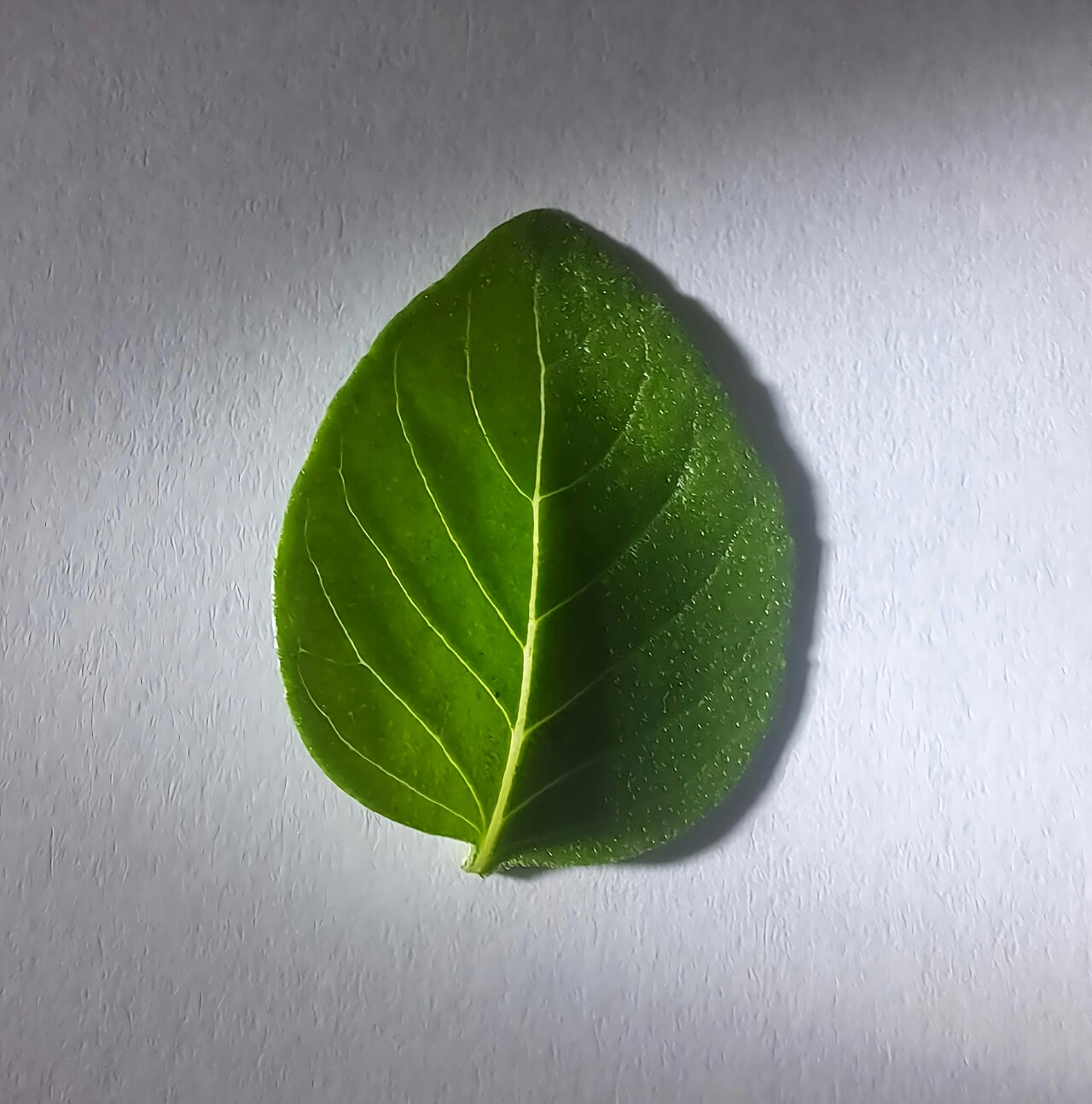
The classic Italian basil for pesto and Caprese. Large, deeply cupped, intensely aromatic leaves. A staple of Ligurian cuisine for centuries.
The story
Cultivated in the Liguria region of Italy for centuries. The word "basilico" derives from the Greek "basileus" meaning king, reflecting its status as the king of herbs in Italian cuisine.
- Origin
- Liguria, Italy
- Family
- Lamiaceae
The wider story
The name "basil" carries a noble history, tracing back to the Greek phrase "basilikón phutón," which translates to "royal/kingly plant." This legacy has earned the plant its enduring titles as the "king of herbs" and the "royal herb." It has also been known by the traditional name "Saint-Joseph's-wort."
Sources: en.wikipedia.org
How to use it
Genovese Basil is commonly used in culinary applications, enhancing dishes with its aromatic flavor. It can be used fresh in salads, sauces, and as a garnish, or dried for seasoning. Additionally, it is known for its potential medicinal properties, often used in herbal remedies for digestive issues.
Sources: en.wikipedia.org, en.wikipedia.org
Gardening tip
When planning your garden, note that this herb is suitable for USDA hardiness zones 4 to 10. While it is treated as an annual in temperate climates, you can grow it as a short-lived perennial or biennial if you live in a warmer horticultural zone with a tropical or Mediterranean climate.
Sources: Grangery, en.wikipedia.org
In the kitchen
Genovese basil, also known as sweet basil, is a highly popular culinary herb used in cuisines worldwide. As a tender herb, it is a staple in Western cooking, where the generic term "basil" typically refers to this specific sweet variety.
Sources: Grangery, en.wikipedia.org, Wikidata, en.wikipedia.org
About
Basil UK: /ˈbæzəl/; US: /ˈbeɪzəl/ (Ocimum basilicum), also called great basil or Saint-Joseph's-wort, is a culinary herb of the family Lamiaceae (mints). It is also called the "king of herbs" and the "royal herb". The name "basil" comes from Greek βασιλικόν φυτόν (basilikón phutón), "royal/kingly plant".
At a glance
What it needs
Water
Regular
USDA hardiness
Zones 4–10
Days to maturity
70 days
Ecology
How it lives
- Propagated by
- Seed
Known as
Names around the world
- ar
- ريحان جنوة
- en
- Genovese Basil, Sweet Basil
- it
- Basilico Genovese
Full detailsevery field on the record, to copy
- Name
- Genovese Basil
- Slug
- genovese-basil
- Kingdom
- Plantae
- Family
- Lamiaceae
- Genus
- Ocimum
- Species
- basilicum
- Cultivar
- Genovese
- Category
- Herb
- Wikidata QID
- Q38859
- Hardiness zone (min)
- 4
- Hardiness zone (max)
- 10
- Sunlight
- Full Sun
- Water needs
- Regular
- Days to maturity
- 70
- Germination rate
- 85%
- Propagule type
- seed
- Pollination type
- Open-pollinated
- Origin country
- Italy
- Origin region
- Liguria
- Container suitable
- Yes
- Indoor suitable
- Yes
- OSSI pledged
- No
- Hazard level
- 1
- Data completeness
- 77
Generated sections & citations
summaryinaturalist
fun_facts_kidsllm_gemini · confidence 1.00
- sprigloom (taxonomy)
- inaturalist (description.summary) — https://en.wikipedia.org/wiki/Ocimum basilicum
- wikidata (common_name)
- wikipedia (description.summary) — https://en.wikipedia.org/wiki/Basil
fun_facts_adultllm_gemini · confidence 1.00
- sprigloom (taxonomy)
- inaturalist (description.summary) — https://en.wikipedia.org/wiki/Ocimum basilicum
- wikidata (common_name)
- wikipedia (description.summary) — https://en.wikipedia.org/wiki/Basil
cookingllm_gemini · confidence 1.00
- sprigloom (common_name)
- inaturalist (description.summary) — https://en.wikipedia.org/wiki/Ocimum basilicum
- wikidata (common_name)
- wikipedia (description.summary) — https://en.wikipedia.org/wiki/Basil
storyllm_gemini · confidence 1.00
- inaturalist (description.summary) — https://en.wikipedia.org/wiki/Ocimum basilicum
gardening_tipllm_gemini · confidence 1.00
- sprigloom (hardiness)
- wikipedia (description.summary) — https://en.wikipedia.org/wiki/Basil
how_to_usellm_openai · confidence 0.90
- inaturalist (description.summary) — https://en.wikipedia.org/wiki/Ocimum basilicum
- wikipedia (description.summary) — https://en.wikipedia.org/wiki/Basil