Heartbreak grass
Gelsemium elegans
About
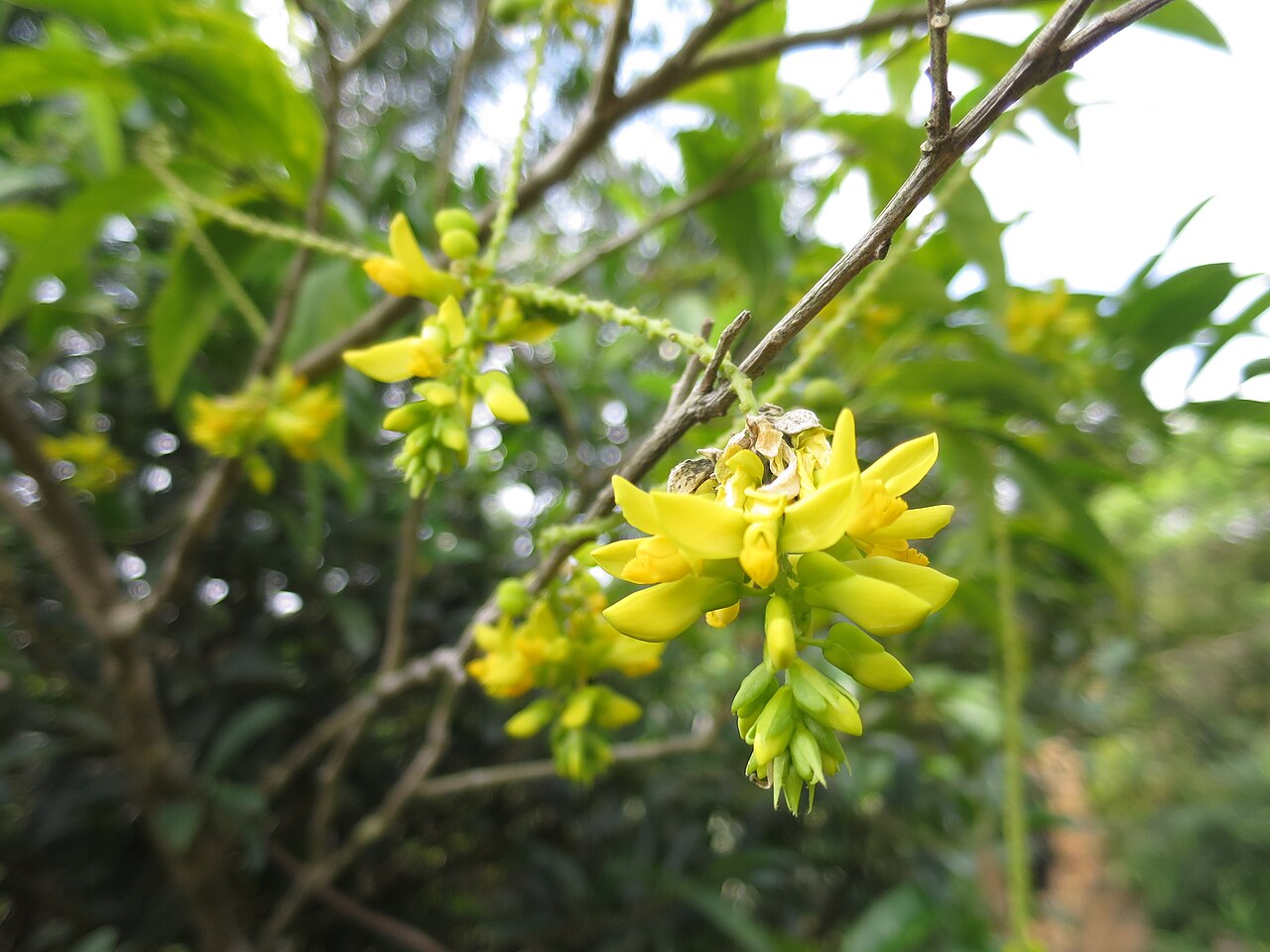
Gelsemium elegans, commonly known as heartbreak grass, is a poisonous plant of the family Gelsemiaceae found in China and other Asian countries. It contains toxic alkaloids such as gelsemine, gelsenicine, gelsevirine, koumine and 14-Hydroxygelsenicine.
- Family
- Gelsemiaceae
How to use it
Due to its toxic properties, heartbreak grass is not used for culinary purposes. However, it serves as a reminder of the importance of caution in nature. Its striking appearance can be appreciated in ornamental contexts, but it should be handled with care to avoid any accidental poisoning.
Sources: en.wikipedia.org
In the kitchen
Heartbreak grass is not eaten by humans due to its poisonous nature. It contains toxic alkaloids that can cause serious health issues if ingested. Always ensure you know which plants are safe to consume and avoid any that are known to be harmful.
Sources: en.wikipedia.org
Ecology
How it lives
- Propagated by
- Seed
Full detailsevery field on the record, to copy
- Name
- Gelsemium elegans
- Slug
- gelsemium-elegans
- Kingdom
- Plantae
- Family
- Gelsemiaceae
- Genus
- Gelsemium
- Species
- elegans
- Wikidata QID
- Q5974519
- Propagule type
- seed
- Container suitable
- No
- Indoor suitable
- No
- OSSI pledged
- No
- Hazard level
- 1
- Data completeness
- 43
Generated sections & citations
summarywikipedia
fun_facts_kidsllm_openai · confidence 0.80
- wikipedia (description.summary) — https://en.wikipedia.org/wiki/Gelsemium_elegans
fun_facts_adultllm_openai · confidence 0.80
- wikipedia (description.summary) — https://en.wikipedia.org/wiki/Gelsemium_elegans
cookingllm_openai · confidence 0.80
- wikipedia (description.summary) — https://en.wikipedia.org/wiki/Gelsemium_elegans
how_to_usellm_openai · confidence 0.80
- wikipedia (description.summary) — https://en.wikipedia.org/wiki/Gelsemium_elegans