Fagaceae
Plants32 genera · 1600 species in the Library
About
The Fagaceae are a family of flowering plants that includes beeches, chestnuts and oaks, and comprises eight genera with around 1,000 or more species. Fagaceae in temperate regions are mostly deciduous, whereas in the tropics, many species occur as evergreen trees and shrubs. They are characterized by alternate simple leaves with pinnate venation, unisexual flowers in the form of catkins, and fruit in the form of cup-like (cupule) nuts. Their leaves are often lobed, and both petioles and stipules are generally present. Their fruits lack endosperm and lie in a scaly or spiny husk that may or may not enclose the entire nut, which may consist of one to seven seeds. In the oaks, genus Quercus, the fruit is a non-valved nut called an acorn. The husk of the acorn in most oaks only forms a cup in which the nut sits. Other members of the family have fully enclosed nuts.
Summary from Wikipedia
Quercus
956 species
Lithocarpus
355 species
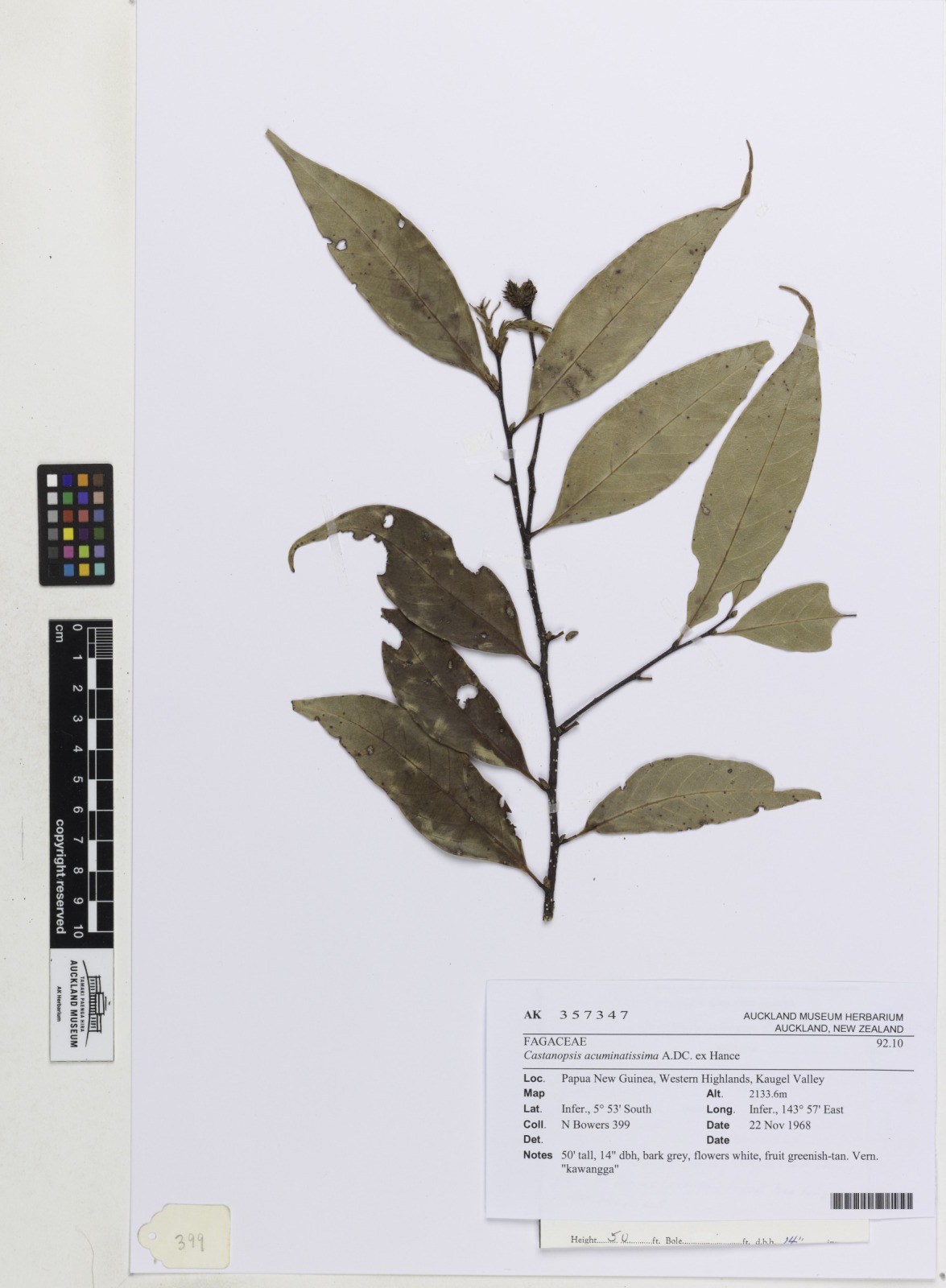
Castanopsis
157 species
Fagus
37 species
Castanea
32 species
Dryophyllum
15 species
Quercinium
9 species
Fagophyllum
4 species
Nothofagoxylon
4 species
Quercophyllum
4 species
Castanoxylon
3 species
Trigonobalanus
3 species
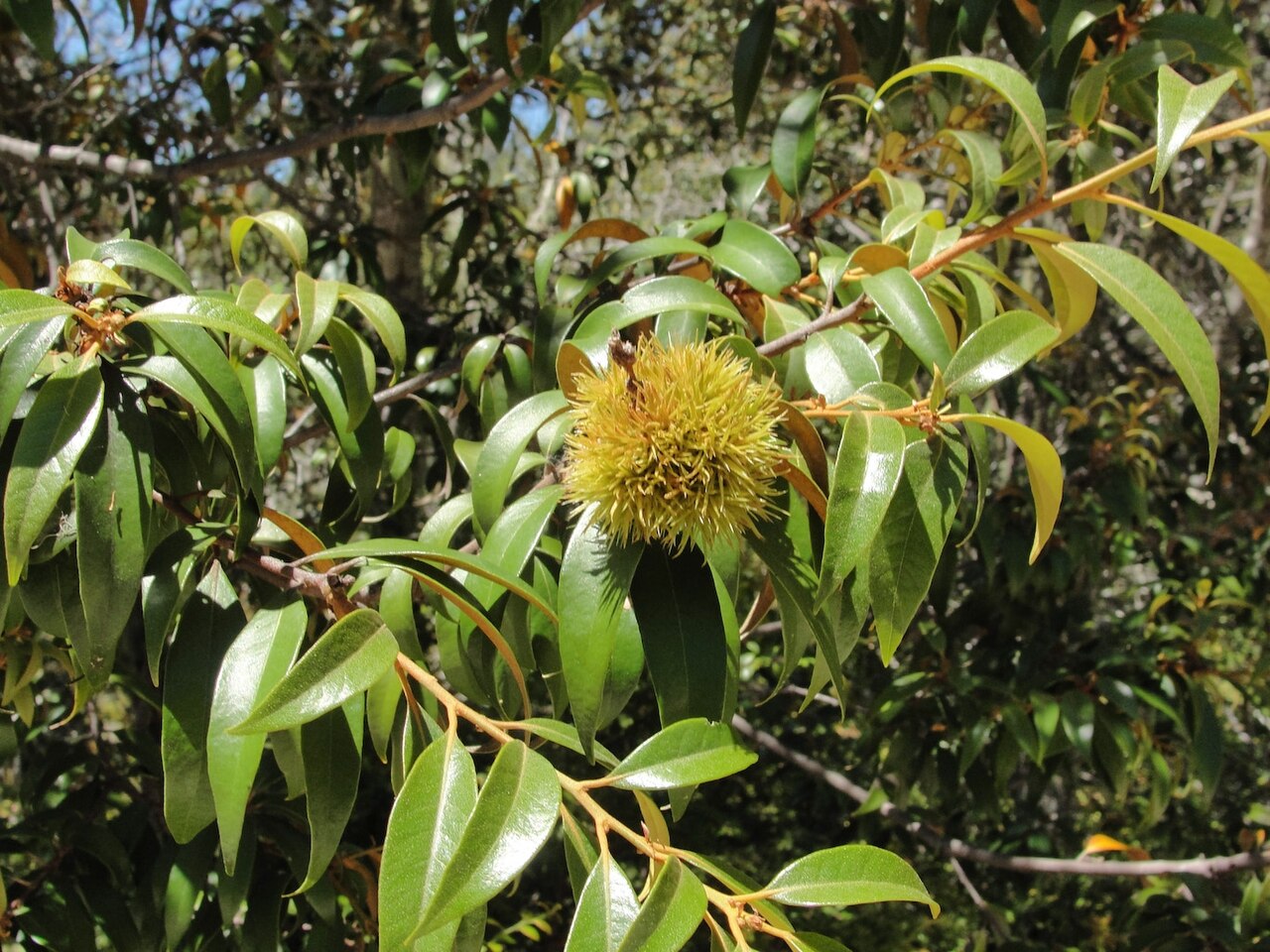
Chrysolepis
2 species
Amentogerdiopollenites
1 species
Amplobalanus
1 species
Antiquacupula
1 species
Carpinites
1 species
Castaneophyllum
1 species
Castanopsoidea
1 species
Dryobalanus
1 species
Fagopsis
1 species
Galla
1 species
Nephelites
1 species
Notholithocarpus
1 species
Paleojulacea
1 species
Parafagus
1 species
Parvobalanus
1 species
Pasianopsis
1 species
Protofagacea
1 species
Pseudofagus
1 species
Querciphyllum
1 species
Quercoxylon
1 species