English Telegraph
Cucumis sativus
The story
Originating in South Asia, this member of the Cucurbitaceae family has traveled the world to become a global garden favorite. Over generations of cultivation, people have developed diverse cultivars of this creeping vine, categorizing them into slicing, pickling, and seedless types to suit different cultural tastes.
Sources: en.wikipedia.org, en.wikipedia.org
- Family
- Cucurbitaceae
How to use it
This species is widely cultivated as an annual crop. It is grown primarily for its cylindrical to spherical fruits, which are utilized globally as culinary vegetables.
Sources: en.wikipedia.org, en.wikipedia.org
Gardening tip
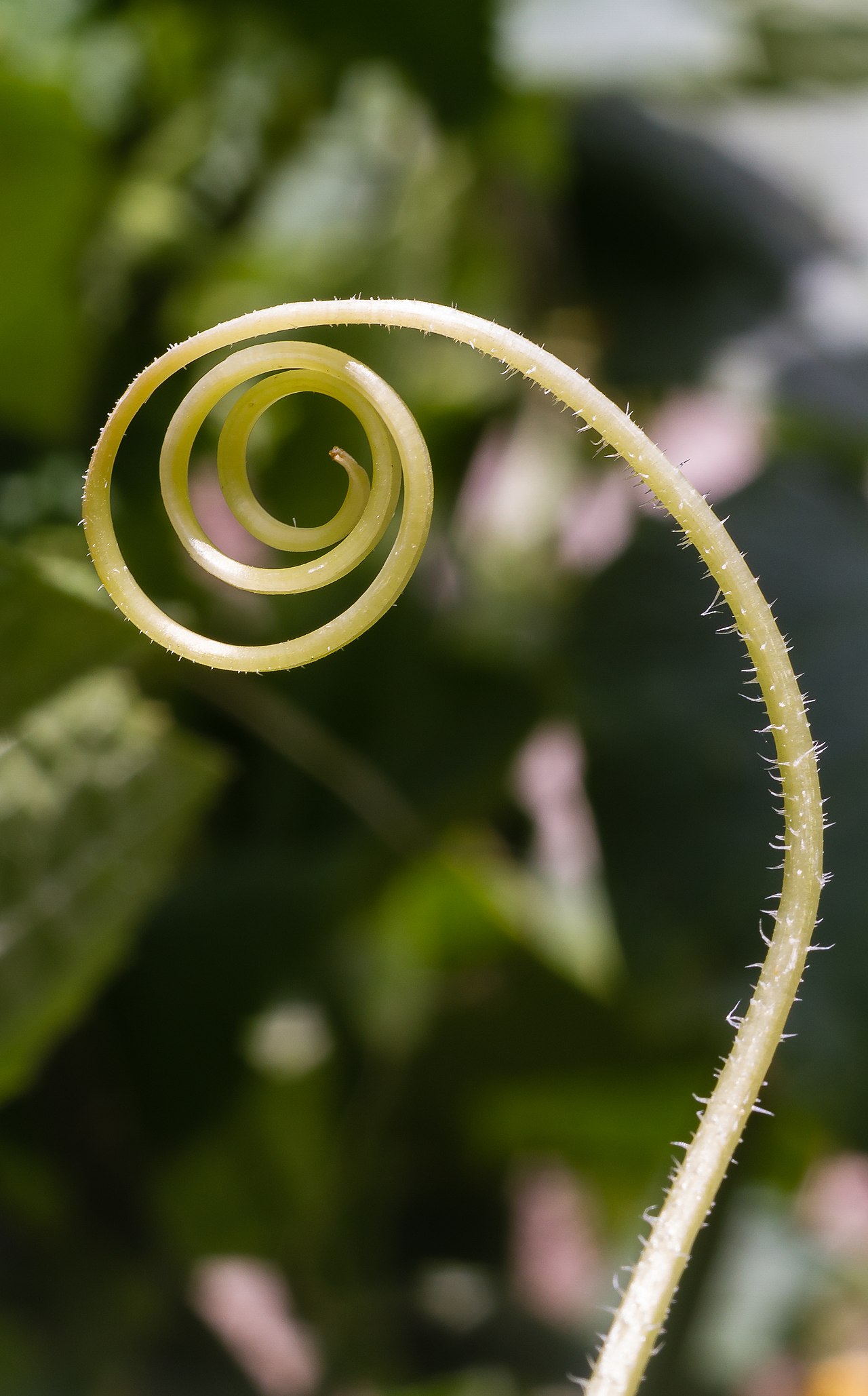
When planning your garden layout, keep in mind that this plant grows as a creeping vine, so it will need ample space to spread out as it produces its cylindrical fruits.
Sources: en.wikipedia.org, en.wikipedia.org
In the kitchen
Cucumbers are widely used as culinary vegetables. Depending on your recipe, you can select from three main culinary types: slicing, pickling, or seedless varieties.
Sources: en.wikipedia.org, en.wikipedia.org
About
The cucumber is a widely-cultivated creeping vine plant in the family Cucurbitaceae that bears cylindrical to spherical fruits, used as culinary vegetables. Considered an annual plant, there are three main types of cucumber—slicing, pickling, and seedless.
At a glance
What it needs
USDA hardiness
Zones 3–12
Ecology
How it lives
- Propagated by
- Seed
Full detailsevery field on the record, to copy
- Name
- English Telegraph
- Slug
- english-telegraph
- Kingdom
- Plantae
- Family
- Cucurbitaceae
- Genus
- Cucumis
- Species
- sativus
- Category
- Cucumber
- Hardiness zone (min)
- 3
- Hardiness zone (max)
- 12
- Average height (cm)
- 0
- Propagule type
- seed
- Container suitable
- No
- Indoor suitable
- No
- OSSI pledged
- No
- Hazard level
- 1
- Data completeness
- 52
Generated sections & citations
summarywikipedia
fun_facts_kidsllm_gemini · confidence 1.00
- inaturalist (description.summary) — https://en.wikipedia.org/wiki/Cucumis sativus
- wikipedia (description.summary) — https://en.wikipedia.org/wiki/Cucumber
fun_facts_adultllm_gemini · confidence 1.00
- inaturalist (description.summary) — https://en.wikipedia.org/wiki/Cucumis sativus
- wikipedia (description.summary) — https://en.wikipedia.org/wiki/Cucumber
cookingllm_gemini · confidence 1.00
- inaturalist (description.summary) — https://en.wikipedia.org/wiki/Cucumis sativus
- wikipedia (description.summary) — https://en.wikipedia.org/wiki/Cucumber
storyllm_gemini · confidence 1.00
- inaturalist (description.summary) — https://en.wikipedia.org/wiki/Cucumis sativus
- wikipedia (description.summary) — https://en.wikipedia.org/wiki/Cucumber
how_to_usellm_gemini · confidence 1.00
- inaturalist (description.summary) — https://en.wikipedia.org/wiki/Cucumis sativus
- wikipedia (description.summary) — https://en.wikipedia.org/wiki/Cucumber
gardening_tipllm_gemini · confidence 1.00
- inaturalist (description.summary) — https://en.wikipedia.org/wiki/Cucumis sativus
- wikipedia (description.summary) — https://en.wikipedia.org/wiki/Cucumber