Echinocereus pentalophus
How to use it
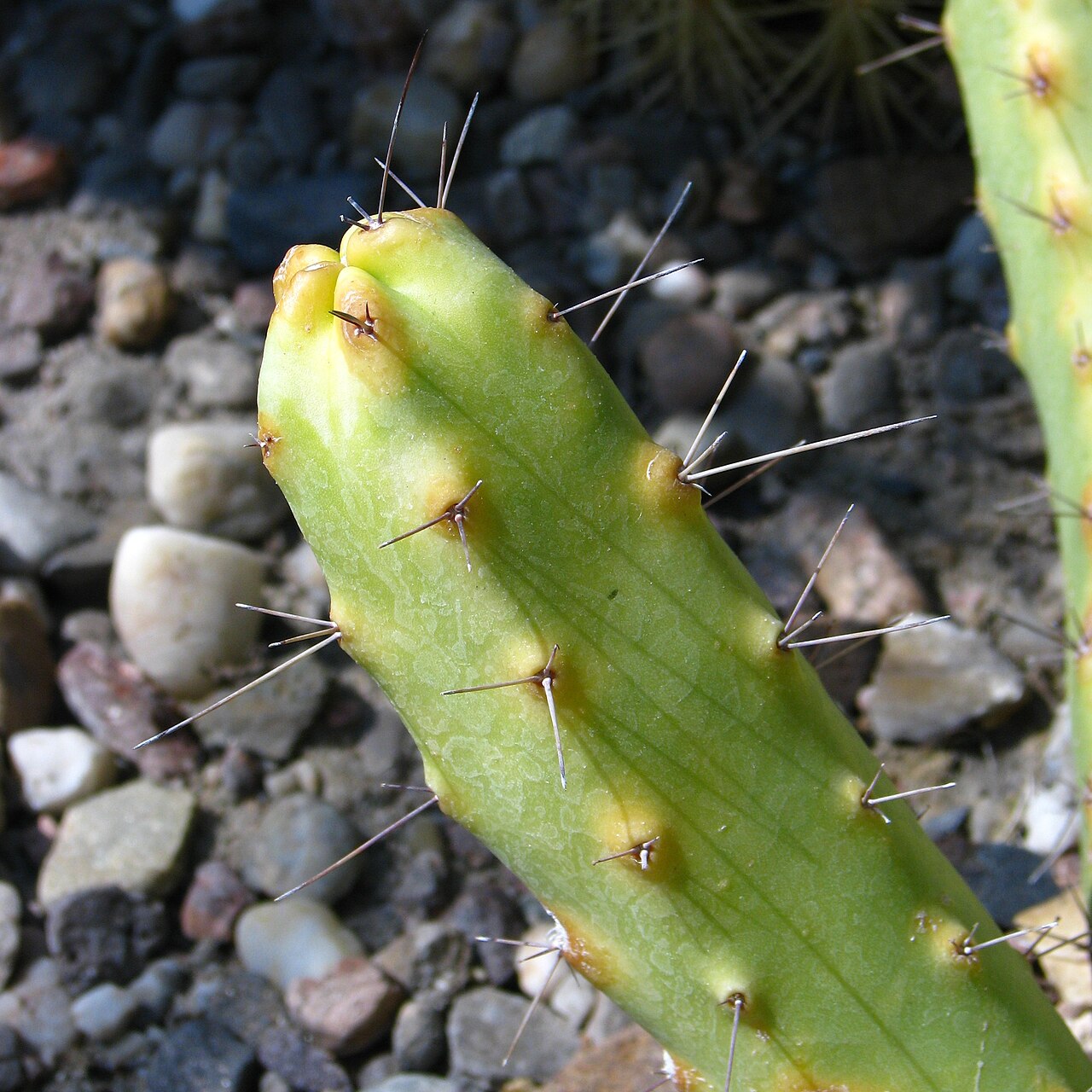
The ladyfinger cactus can be used ornamentally in gardens and landscapes, especially in xeriscaping, where water conservation is key. Its unique appearance adds a striking visual element to any garden, and it can thrive in dry conditions, making it an excellent choice for low-maintenance landscaping. [5, 20]
Sources: Wikidata, en.wikipedia.org
Gardening tip
When planting ladyfinger cactus, make sure to place it in a sunny spot with well-draining soil. This cactus prefers dry conditions, so avoid overwatering to keep it healthy and happy.
Sources: Wikidata
In the kitchen
The ladyfinger cactus is not eaten by humans. While it may look intriguing, it’s best to admire this plant for its beauty rather than for culinary purposes.
Sources: Wikidata
Ecology
How it lives
- Propagated by
- Seed
Full detailsevery field on the record, to copy
- Name
- Echinocereus pentalophus
- Slug
- echinocereus-pentalophus
- Kingdom
- Plantae
- Family
- Cactaceae
- Genus
- Echinocereus
- Species
- pentalophus
- Wikidata QID
- Q309767
- Propagule type
- seed
- Container suitable
- No
- Indoor suitable
- No
- OSSI pledged
- No
- Hazard level
- 1
- Data completeness
- 43
Generated sections & citations
summarywikipedia
gardening_tipllm_openai · confidence 0.90
- wikidata (common_name)
cookingllm_openai · confidence 0.90
- wikidata (common_name)
fun_facts_kidsllm_openai · confidence 0.90
- wikidata (common_name)
- wikipedia (description.summary) — https://en.wikipedia.org/wiki/Echinocereus_pentalophus
fun_facts_adultllm_openai · confidence 0.90
- wikidata (common_name)
- wikipedia (description.summary) — https://en.wikipedia.org/wiki/Echinocereus_pentalophus
how_to_usellm_openai · confidence 0.90
- wikidata (common_name)
- wikipedia (description.summary) — https://en.wikipedia.org/wiki/Echinocereus_pentalophus