Dioscorea alata
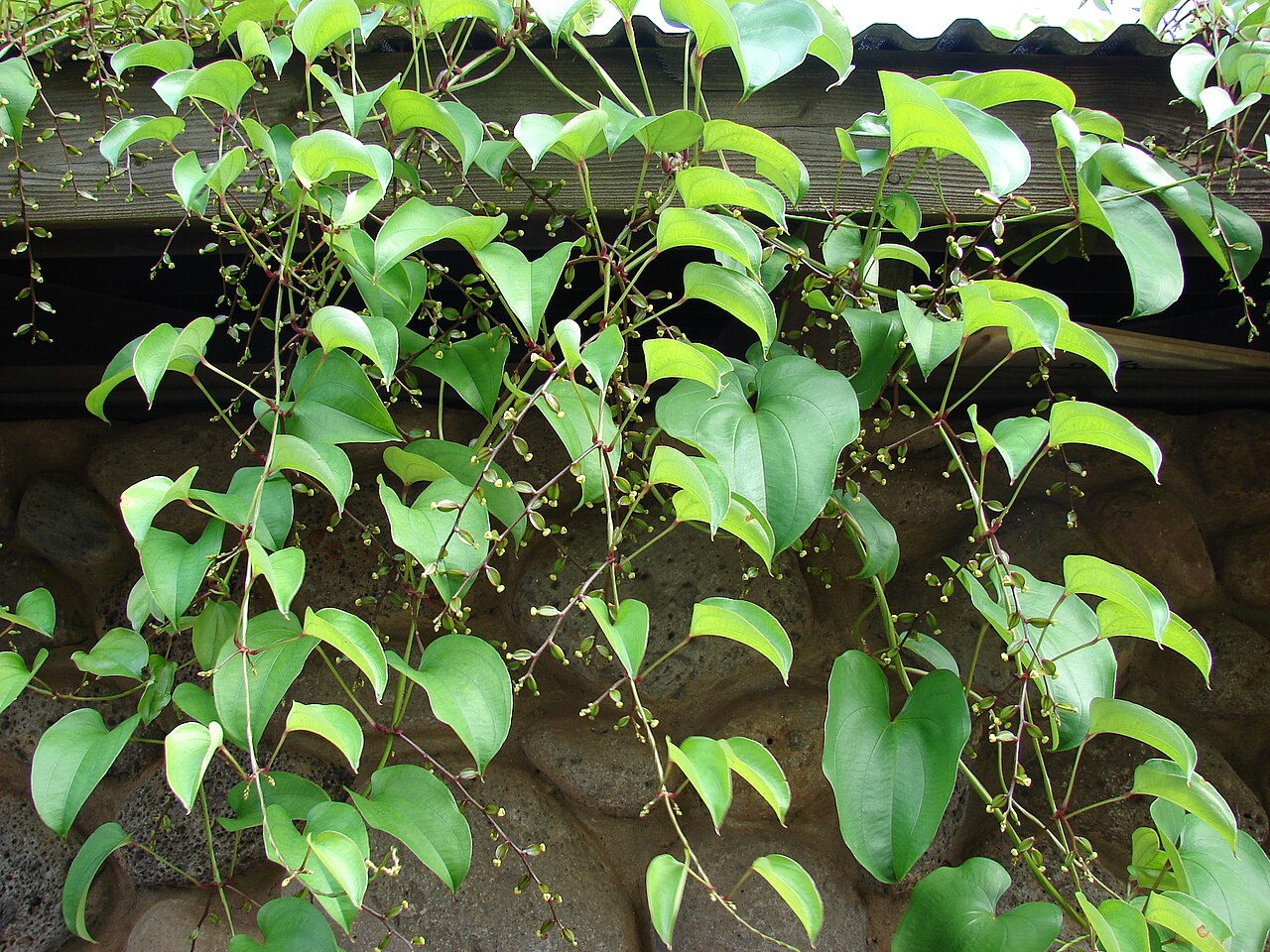
The story
In many cultures, purple yam, or ube, is more than just a food; it holds a special place in celebrations and traditions. In the Philippines, for instance, ube is a beloved ingredient in desserts like halaya and ice cream, often enjoyed during festive occasions. Its vibrant color symbolizes joy and prosperity, making it a favorite during celebrations. The yam's rich history and cultural significance continue to thrive, connecting generations through shared culinary experiences.
Sources: en.wikipedia.org
- Family
- Dioscoreaceae
How to use it
Purple yam is not just a tasty treat; it also has medicinal properties. In some cultures, it is used to help with digestive issues and is believed to have antioxidant benefits. Additionally, its striking color makes it a popular choice for ornamental gardening, adding a splash of vibrancy to any garden space.
Sources: en.wikipedia.org
In the kitchen
Purple yam is not only beautiful but also delicious! It’s commonly used in desserts, like cakes and ice creams, where its vibrant color can really shine. However, be careful—this yam is not eaten raw and should always be cooked before enjoying. Its sweet, nutty flavor makes it a delightful addition to many recipes.
Sources: en.wikipedia.org
About
Dioscorea alata – also called ube, ubi, uwhi, purple yam, or greater yam, among many other names – is a species of yam. The tubers are usually a vivid violet-purple to bright lavender, but some range from creamy-white to plain white. It is sometimes confused with taro and the Okinawa sweet potato beniimo (紅芋), however D. alata is also grown in Okinawa. Its origins are in the Asian and Oceanian tropics. Some varieties attain to great size. A "Mambatap" greater yam grown in Maprik, East Sepik District, Papua New Guinea around 1939 was 3.5 m (11 ft) in length.
Ecology
How it lives
- Propagated by
- Seed
Full detailsevery field on the record, to copy
- Name
- Dioscorea alata
- Slug
- dioscorea-alata
- Kingdom
- Plantae
- Family
- Dioscoreaceae
- Genus
- Dioscorea
- Species
- alata
- Wikidata QID
- Q1932852
- Propagule type
- seed
- Container suitable
- No
- Indoor suitable
- No
- OSSI pledged
- No
- Hazard level
- 1
- Data completeness
- 43
Generated sections & citations
summarywikipedia
cookingllm_openai · confidence 0.80
- wikipedia (description.summary) — https://en.wikipedia.org/wiki/Dioscorea_alata
how_to_usellm_openai · confidence 0.80
- wikipedia (description.summary) — https://en.wikipedia.org/wiki/Dioscorea_alata
fun_facts_kidsllm_gemini · confidence 1.00
- wikipedia (description.summary) — https://en.wikipedia.org/wiki/Dioscorea_alata
fun_facts_adultllm_gemini · confidence 1.00
- wikipedia (description.summary) — https://en.wikipedia.org/wiki/Dioscorea_alata
storyllm_openai · confidence 0.75
- wikipedia (description.summary) — https://en.wikipedia.org/wiki/Dioscorea_alata