Dasylirion longissimum
About
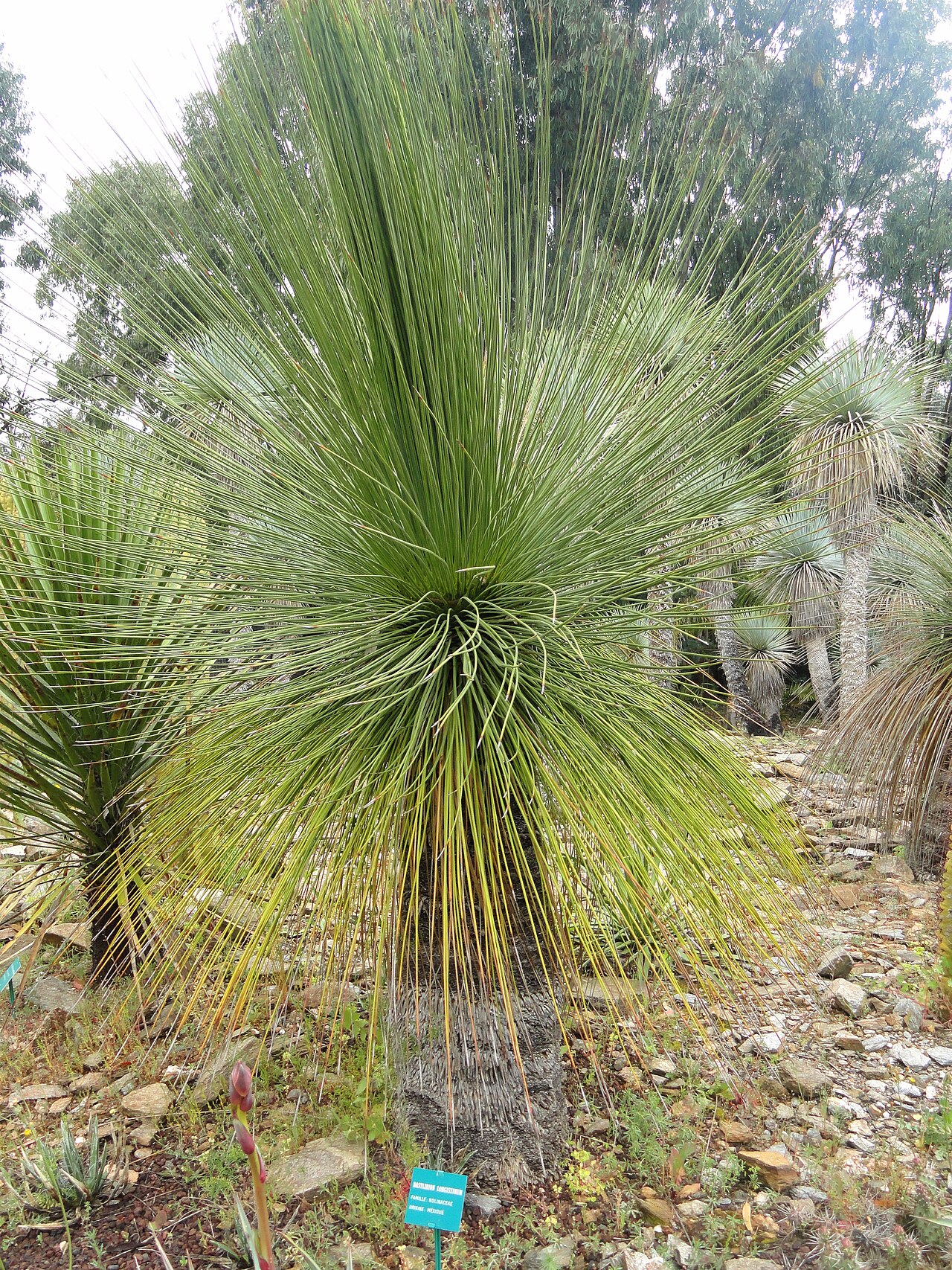
Dasylirion longissimum, common name the Mexican grass tree, is a species of flowering plant native to the Chihuahuan Desert and other xeric habitats in Northeastern Mexico.
- Family
- Asparagaceae
How to use it
The Mexican grass tree is often appreciated for its ornamental value in xeriscaping and drought-resistant gardens. Its unique appearance adds texture and interest to landscapes, especially in arid regions where water conservation is essential.
Sources: en.wikipedia.org
Gardening tip
When planting the Mexican grass tree, ensure it is placed in well-draining soil and receives plenty of sunlight. This will help it thrive in its preferred dry conditions.
Sources: en.wikipedia.org
In the kitchen
The Mexican grass tree is not eaten by humans. Its tough, spiky leaves are not suitable for culinary use, so it's best to admire this plant in its natural habitat rather than in your kitchen.
Sources: en.wikipedia.org
Ecology
How it lives
- Propagated by
- Seed
Full detailsevery field on the record, to copy
- Name
- Dasylirion longissimum
- Slug
- dasylirion-longissimum
- Kingdom
- Plantae
- Family
- Asparagaceae
- Genus
- Dasylirion
- Species
- longissimum
- Wikidata QID
- Q146896
- Propagule type
- seed
- Container suitable
- No
- Indoor suitable
- No
- OSSI pledged
- No
- Hazard level
- 1
- Data completeness
- 43
Generated sections & citations
summarywikipedia
how_to_usellm_openai · confidence 0.80
- wikipedia (description.summary) — https://en.wikipedia.org/wiki/Dasylirion_longissimum
fun_facts_kidsllm_openai · confidence 0.80
- wikidata (common_name)
- wikipedia (description.summary) — https://en.wikipedia.org/wiki/Dasylirion_longissimum
fun_facts_adultllm_openai · confidence 0.80
- sprigloom (taxonomy)
- sprigloom (taxonomy)
- wikipedia (description.summary) — https://en.wikipedia.org/wiki/Dasylirion_longissimum
cookingllm_openai · confidence 0.80
- wikipedia (description.summary) — https://en.wikipedia.org/wiki/Dasylirion_longissimum
gardening_tipllm_openai · confidence 0.80
- wikipedia (description.summary) — https://en.wikipedia.org/wiki/Dasylirion_longissimum