Corylus avellana
The story
Across Europe and Western Asia, the common hazel has long been recognized as a native flowering shrub. Known by many names, such as "Noisetier" in French, "Nocciolo" in Italian, and "Avellano" in Spanish, this member of the birch family has woven itself into the languages and landscapes of many cultures.
Sources: Wikidata, en.wikipedia.org
- Family
- Betulaceae
How to use it
The common hazel is valuable for its ecological role, providing food and habitat for wildlife. Its nuts are a food source for various animals, while the shrub itself can be used for hedging and erosion control. Additionally, the wood from the common hazel is flexible and strong, making it suitable for crafting and tool-making.
Sources: en.wikipedia.org
Gardening tip
When planting common hazel, make sure to dig a hole that is about twice as wide as the root ball and plant it at the same depth it was growing in its pot. This will help the plant establish itself better in your garden.
Sources: en.wikipedia.org
In the kitchen
The nuts produced by the common hazel are delicious and can be eaten raw or roasted. They are often used in desserts, chocolates, and even savory dishes. However, the plant itself is not eaten by humans. Be sure to enjoy the nuts, but leave the plant to grow and thrive in your garden!
Sources: en.wikipedia.org
About
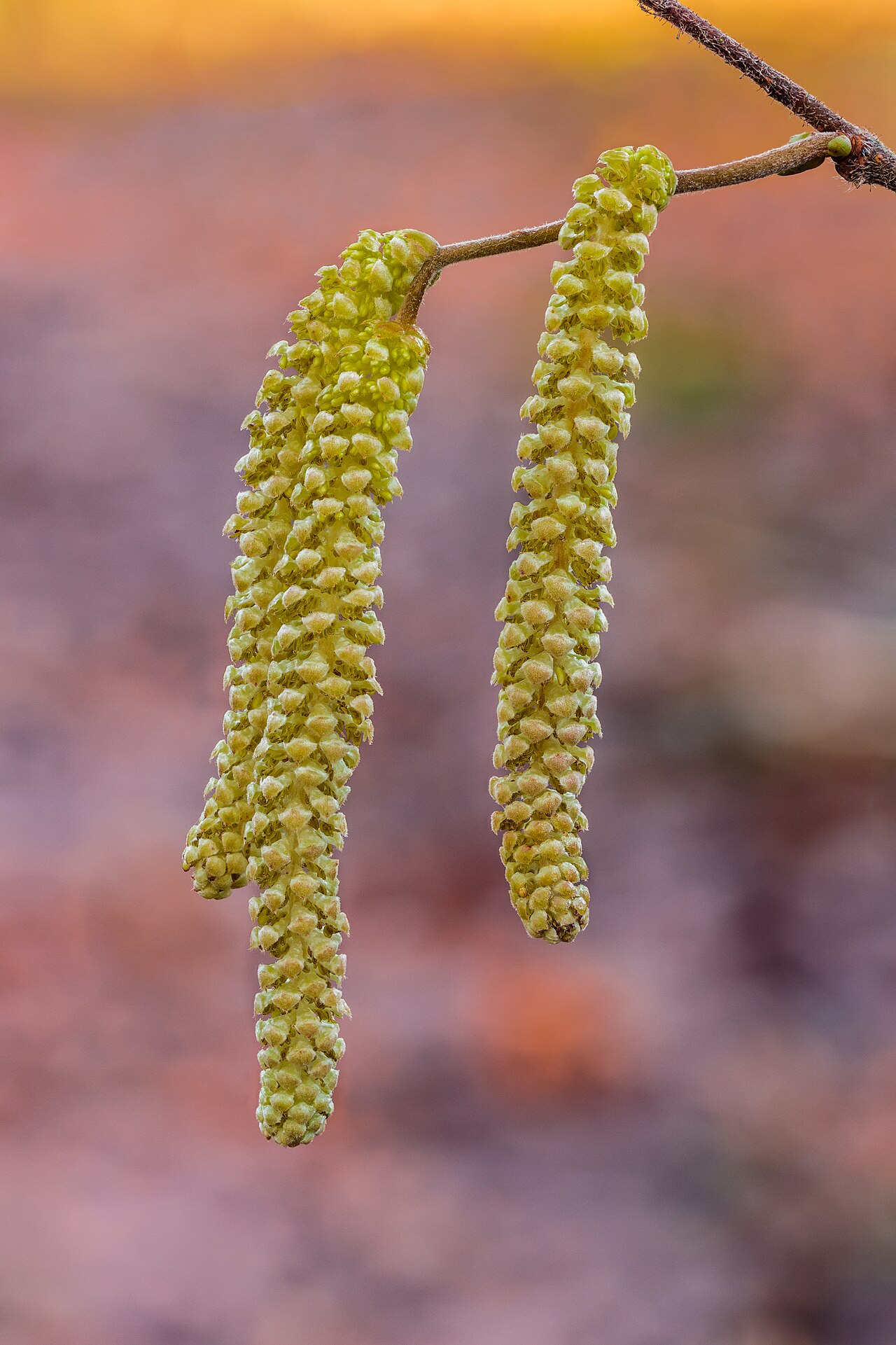
Corylus avellana, the common hazel, is a species of flowering plant in the birch family Betulaceae. The shrubs usually grow 3–8 metres tall. The nut is round, in contrast to the longer filbert nut. Common hazel is native to Europe and Western Asia.
Ecology
How it lives
- Propagated by
- Seed
Full detailsevery field on the record, to copy
- Name
- Corylus avellana
- Slug
- corylus-avellana
- Kingdom
- Plantae
- Family
- Betulaceae
- Genus
- Corylus
- Species
- avellana
- Wikidata QID
- Q124969
- Propagule type
- seed
- Container suitable
- No
- Indoor suitable
- No
- OSSI pledged
- No
- Hazard level
- 1
- Data completeness
- 43
Generated sections & citations
summarywikipedia
cookingllm_openai · confidence 0.90
- wikipedia (description.summary) — https://en.wikipedia.org/wiki/Corylus_avellana
gardening_tipllm_openai · confidence 0.90
- wikipedia (description.summary) — https://en.wikipedia.org/wiki/Corylus_avellana
fun_facts_kidsllm_gemini · confidence 1.00
- sprigloom (taxonomy)
- wikidata (common_name)
- wikipedia (description.summary) — https://en.wikipedia.org/wiki/Corylus_avellana
fun_facts_adultllm_gemini · confidence 1.00
- sprigloom (taxonomy)
- wikidata (common_name)
- wikipedia (description.summary) — https://en.wikipedia.org/wiki/Corylus_avellana
storyllm_gemini · confidence 1.00
- wikidata (common_name)
- wikidata (common_name)
- wikidata (common_name)
- wikidata (common_name)
- wikipedia (description.summary) — https://en.wikipedia.org/wiki/Corylus_avellana
how_to_usellm_openai · confidence 0.90
- wikipedia (description.summary) — https://en.wikipedia.org/wiki/Corylus_avellana