Chlorogalum pomeridianum
About
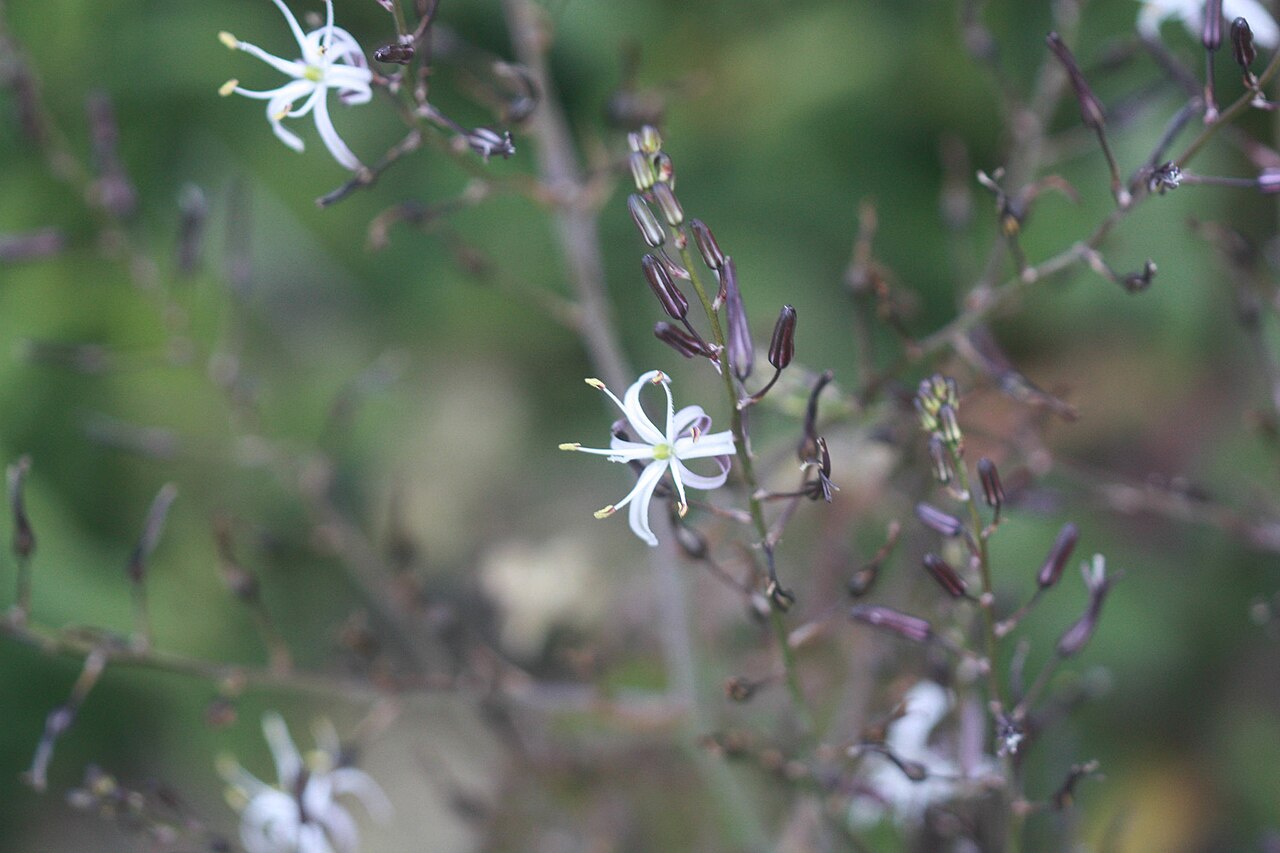
Chlorogalum pomeridianum, the wavy-leafed soap plant, California soaproot, or Amole, is the most common and most widely distributed of the soap plants, soaproots or amoles, which make up the genus Chlorogalum of flowering plants. It is occasionally known as the "wild potato", but given the plant's lack of either resemblance or relationship to the potato, this name is not recommended.
- Family
- Asparagaceae
How to use it
The wavyleaf soap plant has been historically used by Native Americans for its roots, which can be processed to create soap. This unique use highlights its ecological importance and cultural significance, making it a fascinating plant for those interested in traditional practices.
Sources: en.wikipedia.org
In the kitchen
The wavyleaf soap plant is not eaten by humans. Instead, its roots were traditionally used to create soap, showcasing its unique role in cultural practices rather than culinary ones.
Sources: Wikidata
Ecology
How it lives
- Propagated by
- Seed
Full detailsevery field on the record, to copy
- Name
- Chlorogalum pomeridianum
- Slug
- chlorogalum-pomeridianum
- Kingdom
- Plantae
- Family
- Asparagaceae
- Genus
- Chlorogalum
- Species
- pomeridianum
- Wikidata QID
- Q5103074
- Propagule type
- seed
- Container suitable
- No
- Indoor suitable
- No
- OSSI pledged
- No
- Hazard level
- 1
- Data completeness
- 43
Generated sections & citations
summarywikipedia
fun_facts_kidsllm_openai · confidence 0.80
- wikidata (common_name)
- wikipedia (description.summary) — https://en.wikipedia.org/wiki/Chlorogalum_pomeridianum
fun_facts_adultllm_openai · confidence 0.80
- sprigloom (taxonomy)
- sprigloom (taxonomy)
- wikipedia (description.summary) — https://en.wikipedia.org/wiki/Chlorogalum_pomeridianum
cookingllm_openai · confidence 0.80
- wikidata (common_name)
how_to_usellm_openai · confidence 0.80
- wikipedia (description.summary) — https://en.wikipedia.org/wiki/Chlorogalum_pomeridianum