Cherokee Trail of Tears
Phaseolus vulgaris
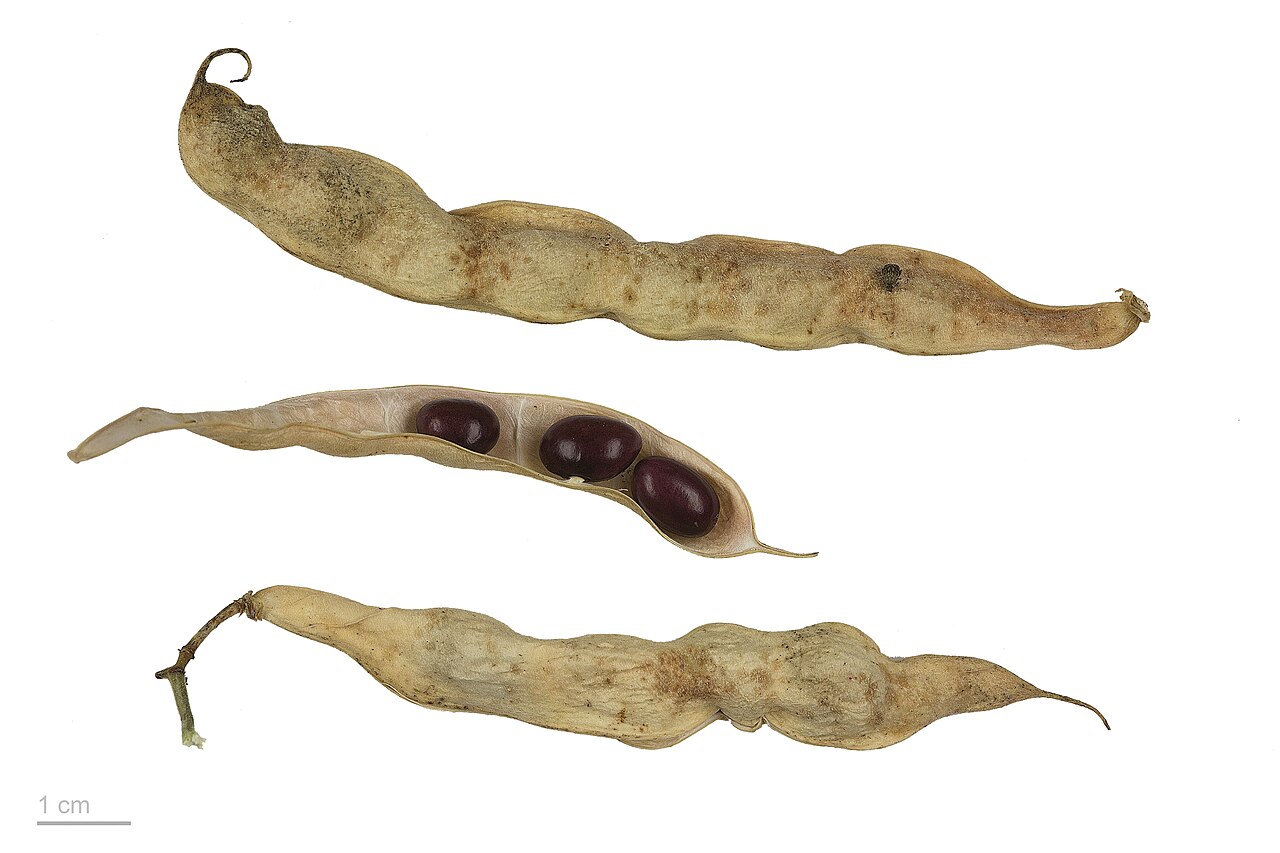
The story
The Cherokee Trail of Tears bean is steeped in history, named to honor the Cherokee Nation's journey during a time of great hardship. As they were forced from their ancestral lands, these resilient beans became a symbol of survival and adaptability. They were cultivated not just for sustenance but also as a reminder of the strength of the Cherokee people. Today, this bean continues to connect us to those stories, reminding us of the importance of heritage in our food.
Sources: Grangery
- Family
- Fabaceae
How to use it
This versatile member of the Fabaceae family is cultivated globally for its edible dry seeds and unripe green bean fruits. Beyond human consumption, the plant's leaves are occasionally utilized as a vegetable, and its straw can be repurposed as fodder for animals.
Sources: Grangery, en.wikipedia.org
In the kitchen
The common bean is grown worldwide for its edible dry seeds or its unripe fruit, which are eaten as green beans. However, you must cook them thoroughly before eating, as raw or undercooked beans contain a toxic protein called phytohaemagglutinin. Additionally, the leaves of this plant can occasionally be used as a vegetable.
Sources: en.wikipedia.org
About
Phaseolus vulgaris, the common bean (also known as the string bean, field bean, flageolet bean, French bean, garden bean, green bean, haricot bean, pop bean, snap bean, or snap), is a herbaceous annual plant grown worldwide for its edible dry seed (known as just "beans") or unripe fruit (green beans). Raw or undercooked beans contain a toxic protein called phytohaemagglutinin. Its leaf is also occasionally used as a vegetable and the straw as fodder. Its botanical...
At a glance
What it needs
USDA hardiness
Zones 2–11
Ecology
How it lives
- Propagated by
- Seed
Full detailsevery field on the record, to copy
- Name
- Cherokee Trail of Tears
- Slug
- cherokee-trail-of-tears
- Kingdom
- Plantae
- Family
- Fabaceae
- Genus
- Phaseolus
- Species
- vulgaris
- Category
- Bean
- Wikidata QID
- Q42339
- Hardiness zone (min)
- 2
- Hardiness zone (max)
- 11
- Average height (cm)
- 0
- Propagule type
- seed
- Container suitable
- No
- Indoor suitable
- No
- OSSI pledged
- No
- Hazard level
- 1
- Data completeness
- 55
Generated sections & citations
summaryinaturalist
fun_facts_kidsllm_gemini · confidence 0.90
- sprigloom (hardiness)
- inaturalist (description.summary) — https://en.wikipedia.org/wiki/Phaseolus vulgaris
- wikipedia (description.summary) — https://en.wikipedia.org/wiki/Phaseolus_vulgaris
fun_facts_adultllm_gemini · confidence 0.90
- sprigloom (taxonomy)
- sprigloom (taxonomy)
- sprigloom (hardiness)
- gbif (taxonomy)
- inaturalist (description.summary) — https://en.wikipedia.org/wiki/Phaseolus vulgaris
- wikipedia (description.summary) — https://en.wikipedia.org/wiki/Phaseolus_vulgaris
cookingllm_gemini · confidence 0.90
- inaturalist (description.summary) — https://en.wikipedia.org/wiki/Phaseolus vulgaris
how_to_usellm_gemini · confidence 0.90
- sprigloom (taxonomy)
- inaturalist (description.summary) — https://en.wikipedia.org/wiki/Phaseolus vulgaris
storyllm_openai · confidence 0.90
- sprigloom (common_name)