Cerastium alpinum
About
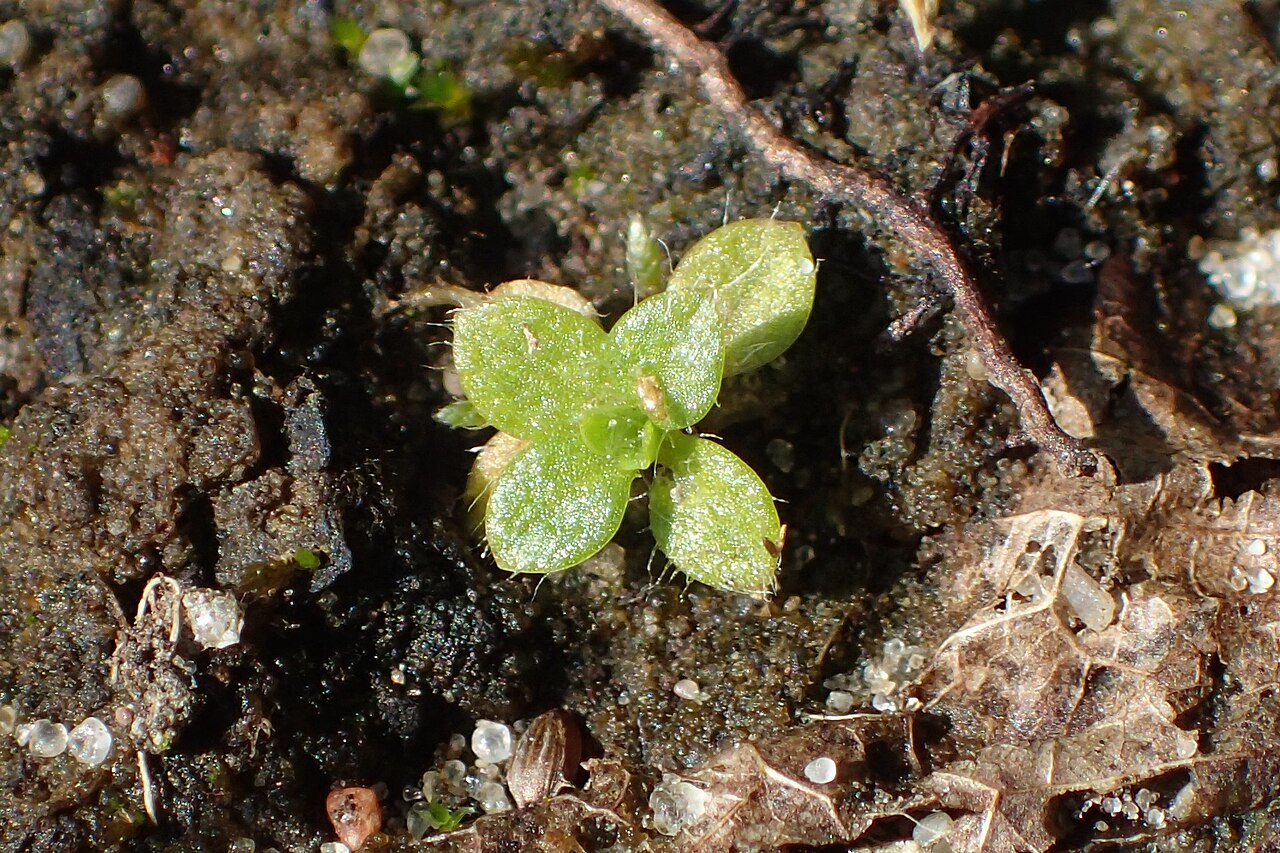
Cerastium alpinum, commonly called alpine mouse-ear or alpine chickweed, is a mat-forming perennial plant. The species was first described by Carl Linnaeus in 1753. It is native to Greenland, Canada and northern Europe. It is grown as a rock garden subject for its many small white flowers and silver haired stems and foliage. There are three subspecies.
- Family
- Caryophyllaceae
How to use it
Alpine mouse-ear is often used in rock gardens due to its mat-forming growth habit and attractive flowers. It can help prevent soil erosion in rocky areas, making it a practical choice for gardeners looking to stabilize their landscape while adding visual interest.
Sources: en.wikipedia.org
Ecology
How it lives
- Propagated by
- Seed
Full detailsevery field on the record, to copy
- Name
- Cerastium alpinum
- Slug
- cerastium-alpinum
- Kingdom
- Plantae
- Family
- Caryophyllaceae
- Genus
- Cerastium
- Species
- alpinum
- Wikidata QID
- Q162484
- Propagule type
- seed
- Container suitable
- No
- Indoor suitable
- No
- OSSI pledged
- No
- Hazard level
- 1
- Data completeness
- 43
Generated sections & citations
summarywikipedia
fun_facts_kidsllm_openai · confidence 0.80
- wikipedia (description.summary) — https://en.wikipedia.org/wiki/Cerastium_alpinum
fun_facts_adultllm_openai · confidence 0.80
- wikipedia (description.summary) — https://en.wikipedia.org/wiki/Cerastium_alpinum
how_to_usellm_openai · confidence 0.80
- wikipedia (description.summary) — https://en.wikipedia.org/wiki/Cerastium_alpinum