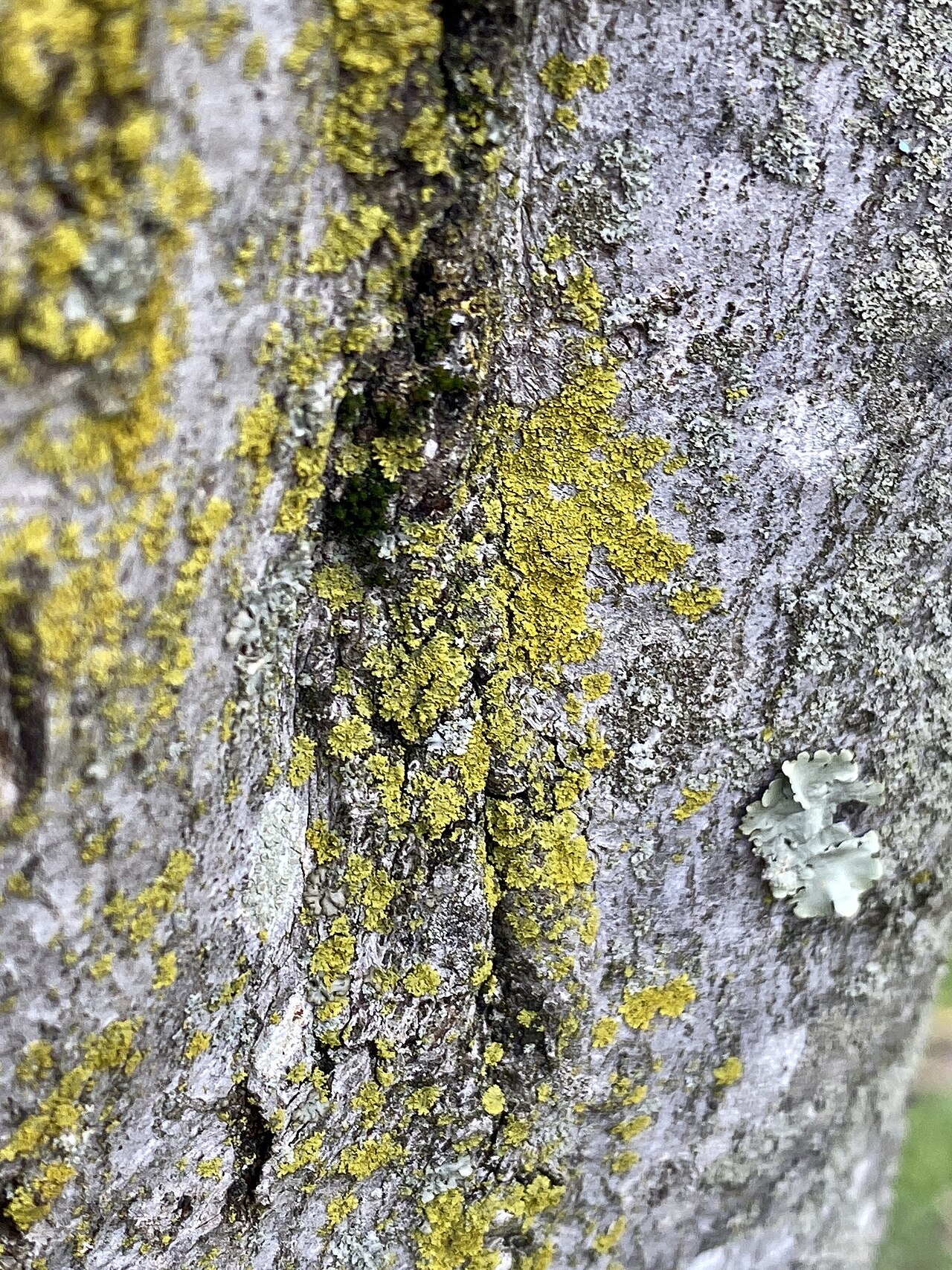
Candleflame lichen or the lemon lichen
Candelaria concolor
Foraging: Never eat a wild mushroom on a photo or an app’s word. Many deadly species look like edible ones.
About
Candelaria concolor, commonly known as the candleflame lichen or the lemon lichen, is an ascomycete of the genus Candelaria. It is a small foliose lichen dispersed globally.
- Family
- Candelariaceae
How to use it
Lemon lichen can be used in ecological studies as an indicator of air quality, as it is sensitive to pollution. Its presence often signifies a healthy environment. Additionally, it can be utilized in traditional crafts and as a natural dye due to its vibrant color.
Sources: Wikidata, en.wikipedia.org
In the kitchen
Lemon lichen is not eaten by humans, so it's best to admire it in nature rather than on your plate. While it may look appealing, this lichen does not have culinary uses and is not safe for consumption.
Sources: Wikidata
Full detailsevery field on the record, to copy
- Name
- Candelaria concolor
- Slug
- candelaria-concolor
- Kingdom
- Fungi
- Family
- Candelariaceae
- Genus
- Candelaria
- Species
- concolor
- Wikidata QID
- Q1663978
- Propagule type
- seed
- Container suitable
- No
- Indoor suitable
- No
- OSSI pledged
- No
- Hazard level
- 1
- Data completeness
- 43
Generated sections & citations
summarywikipedia
fun_facts_kidsllm_openai · confidence 0.80
- wikidata (common_name)
fun_facts_adultllm_openai · confidence 0.80
- wikidata (common_name)
- wikipedia (description.summary) — https://en.wikipedia.org/wiki/Candelaria_concolor
cookingllm_openai · confidence 0.80
- wikidata (common_name)
how_to_usellm_openai · confidence 0.80
- wikidata (common_name)
- wikipedia (description.summary) — https://en.wikipedia.org/wiki/Candelaria_concolor