Brussels Sprouts
Brassica oleracea
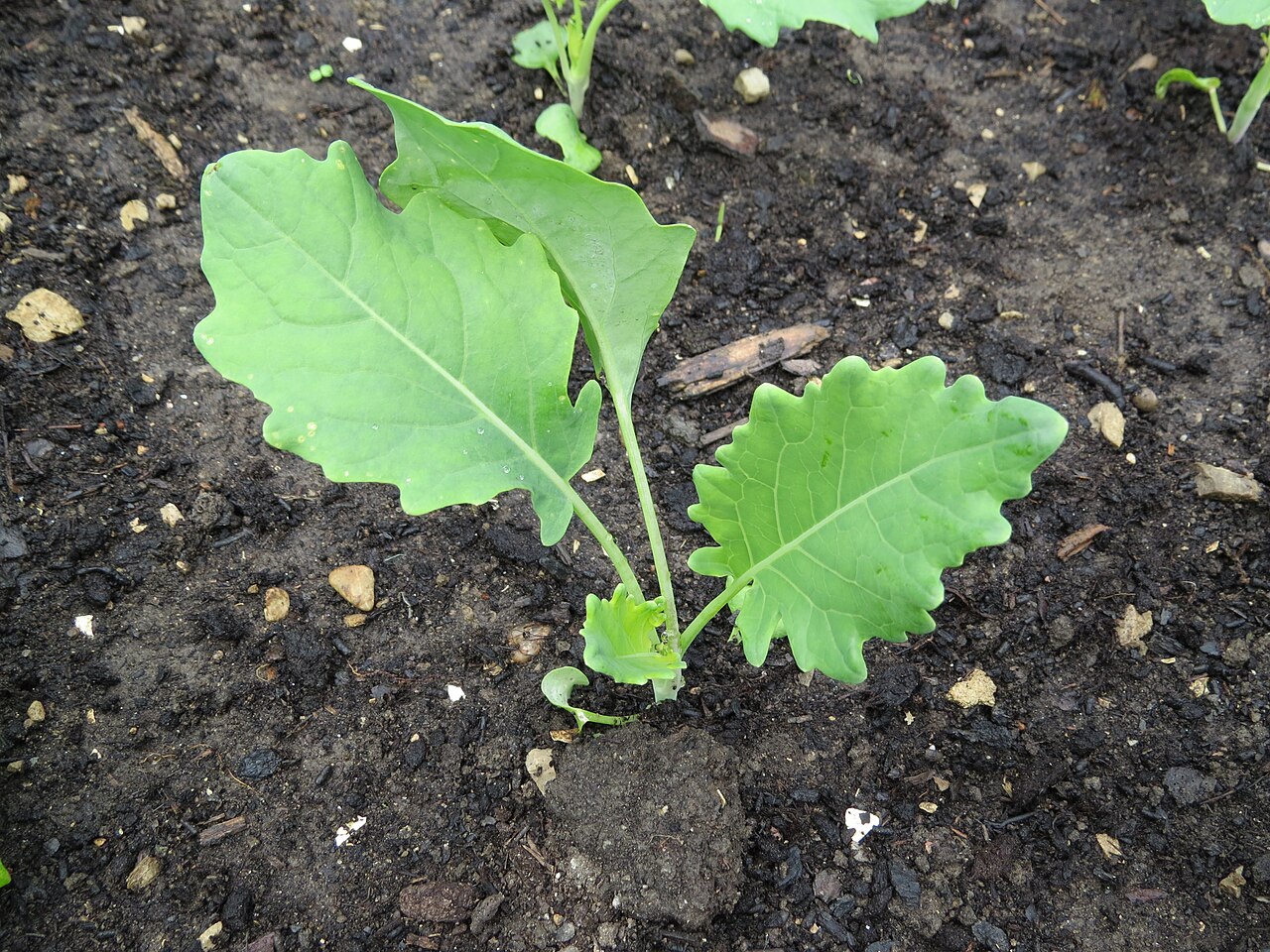
The story
Long before it was bred into the diverse vegetables we recognize today, the uncultivated ancestor of this plant, known as wild cabbage, grew naturally along the coastal landscapes of southwest Europe. Over time, people selected and cultivated this single resilient species to create an astonishing variety of garden foods.
Sources: en.wikipedia.org, en.wikipedia.org
- Family
- Brassicaceae
How to use it
This species is widely cultivated for food production, yielding a massive variety of popular vegetables such as Brussels sprouts, broccoli, kale, and cauliflower. It is also highly adaptable to home gardens, growing successfully across USDA hardiness zones 2 through 9.
Sources: Grangery, en.wikipedia.org
Gardening tip
When planning your garden layout, keep in mind that Brussels sprouts, cabbage, broccoli, and kale are all the same species, Brassica oleracea, and can be grown across USDA hardiness zones 2 to 9.
Sources: Grangery, Gbif, en.wikipedia.org
In the kitchen
This highly versatile species includes many common cultivars used as vegetables. You can prepare and enjoy Brussels sprouts, cabbage, broccoli, cauliflower, kale, collard greens, Savoy cabbage, kohlrabi, and gai lan in a wide variety of culinary dishes.
Sources: en.wikipedia.org
About
Brassica oleracea is a plant species from the family Brassicaceae that includes many common cultivars used as vegetables, such as cabbage, broccoli, cauliflower, kale, Brussels sprouts, collard greens, Savoy cabbage, kohlrabi, and gai lan. The uncultivated form of the species, wild cabbage, is native to southwest Europe.
At a glance
What it needs
USDA hardiness
Zones 2–9
Ecology
How it lives
- Propagated by
- Seed
Full detailsevery field on the record, to copy
- Name
- Brussels Sprouts
- Slug
- brussels-sprouts
- Kingdom
- Plantae
- Family
- Brassicaceae
- Genus
- Brassica
- Species
- oleracea
- Category
- Brassica
- Hardiness zone (min)
- 2
- Hardiness zone (max)
- 9
- Average height (cm)
- 0
- Propagule type
- seed
- Container suitable
- No
- Indoor suitable
- No
- OSSI pledged
- No
- Hazard level
- 1
- Data completeness
- 52
Generated sections & citations
summaryinaturalist
fun_facts_kidsllm_gemini · confidence 1.00
- sprigloom (common_name)
- sprigloom (taxonomy)
- inaturalist (description.summary) — https://en.wikipedia.org/wiki/Brassica oleracea
fun_facts_adultllm_gemini · confidence 1.00
- sprigloom (common_name)
- sprigloom (taxonomy)
- gbif (taxonomy)
- inaturalist (description.summary) — https://en.wikipedia.org/wiki/Brassica oleracea
cookingllm_gemini · confidence 1.00
- inaturalist (description.summary) — https://en.wikipedia.org/wiki/Brassica oleracea
storyllm_gemini · confidence 1.00
- inaturalist (description.summary) — https://en.wikipedia.org/wiki/Brassica oleracea
- wikipedia (description.summary) — https://en.wikipedia.org/wiki/Brassica_oleracea
how_to_usellm_gemini · confidence 1.00
- sprigloom (common_name)
- sprigloom (hardiness)
- inaturalist (description.summary) — https://en.wikipedia.org/wiki/Brassica oleracea
gardening_tipllm_gemini · confidence 1.00
- sprigloom (common_name)
- sprigloom (hardiness)
- gbif (taxonomy)
- inaturalist (description.summary) — https://en.wikipedia.org/wiki/Brassica oleracea