Aspergillus nidulans
Foraging: Never eat a wild mushroom on a photo or an app’s word. Many deadly species look like edible ones.
About
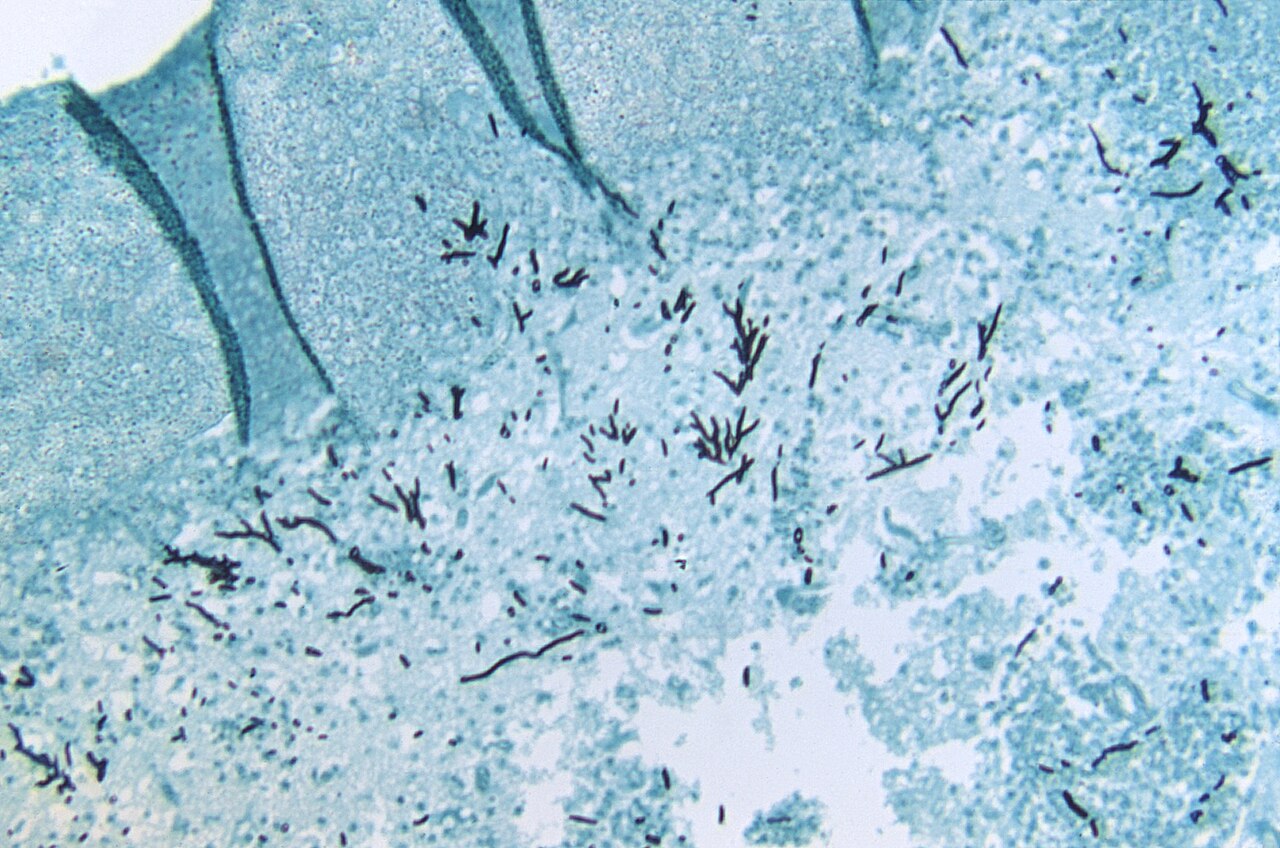
Aspergillus nidulans is one of many species of filamentous fungi in the phylum Ascomycota. It has been an important research organism for studying eukaryotic cell biology for over 50 years, being used to study a wide range of subjects including recombination, DNA repair, mutation, cell cycle control, tubulin, chromatin, nucleokinesis, pathogenesis, metabolism, and experimental evolution. It is one of the few species in its genus able to form sexual spores through meiosis, allowing crossing of strains in the laboratory. A. nidulans is a homothallic fungus, meaning it is able to self-fertilize and form fruiting bodies in the absence of a mating partner. It has septate hyphae with a woolly colony texture and white mycelia. The green colour of wild-type colonies is due to pigmentation of the spores, while mutations in the pigmentation pathway can produce other spore colours.
- Family
- Aspergillaceae
Pathogen
What it affects
Pathogenic organism
Classified as a Mold pathogen.
Full detailsevery field on the record, to copy
- Name
- Aspergillus nidulans
- Slug
- aspergillus-nidulans
- Kingdom
- Fungi
- Family
- Aspergillaceae
- Genus
- Aspergillus
- Species
- nidulans
- Wikidata QID
- Q683881
- Propagule type
- seed
- Container suitable
- No
- Indoor suitable
- No
- OSSI pledged
- No
- Hazard level
- 1
- Data completeness
- 43
Generated sections & citations
summarywikipedia