Amphipterygium adstringens
About
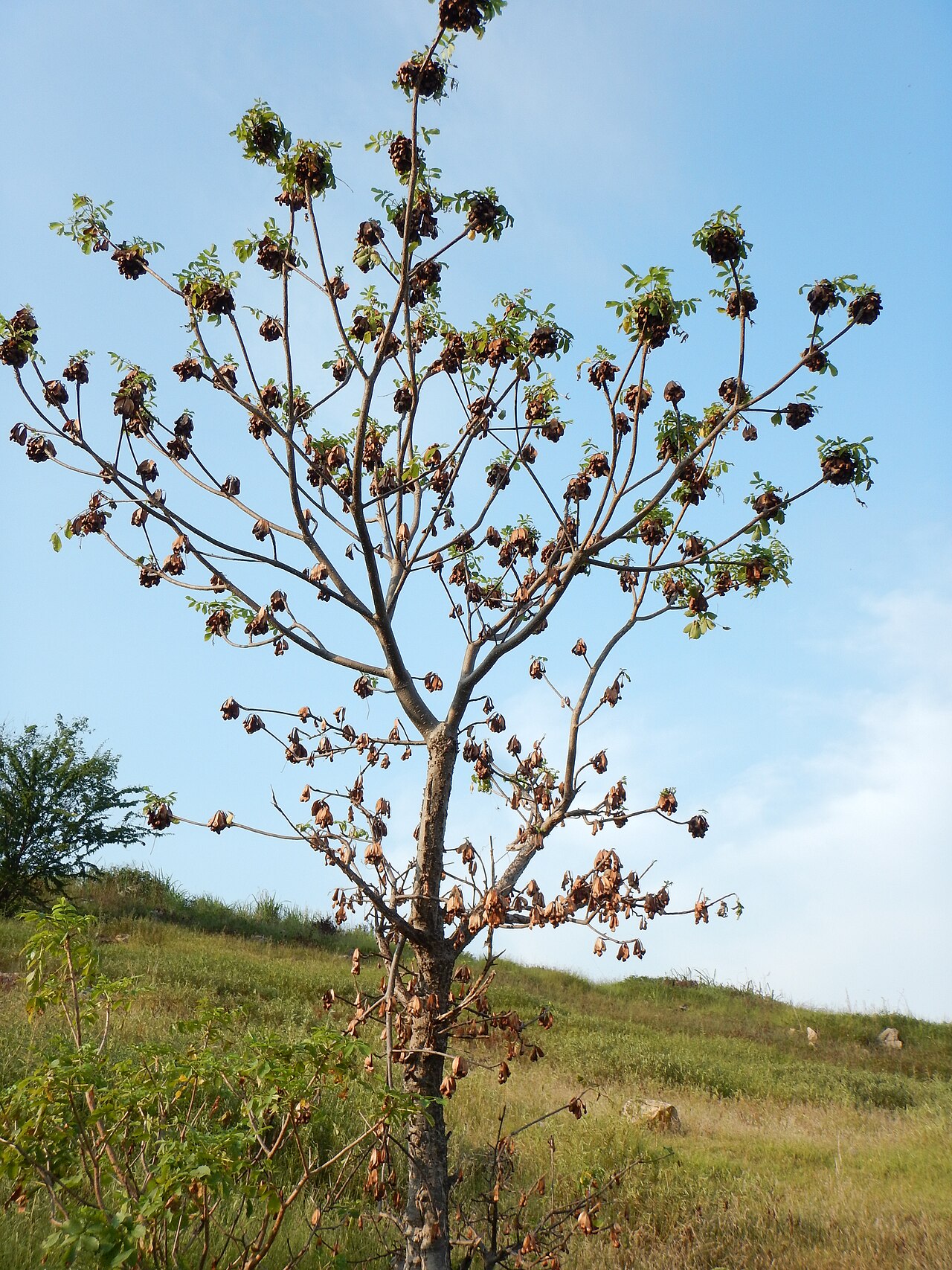
Amphipterygium adstringens, or the cuachalalate, is an ancient medicinal plant that has been commercially used in Mexico for centuries. Because of its ever-growing popularity and since the most sought after part of the plant is its bark, the cuachalalate was as of 2004 considered an endangered species. The Amphipterygium adstringens tree's height ranges from 4–8.5 m high. The distinguishing factor of this tree is its bark. Its bark is wrinkled, grayish in color and verrucose, with corky protuberances. Its branches are usually covered with scars of fallen leaves and may be bare or covered with fine hair-like structures. Its leave arrangements is imparipinnate with petioles that average 5.4 cm in length. It usually has 3-7 leaflets leaf. These leaflets have a cuneate base and an obtuse or rounded apex, its margin is dentate or crenate. A. adstringens can be differentiated from the other members of the Amphipterygium genus by the shape of its terminal leaflets, which is spathulate, and has dentate margins on the distal half of the leaflet.
- Family
- Anacardiaceae
Ecology
How it lives
- Propagated by
- Seed
Full detailsevery field on the record, to copy
- Name
- Amphipterygium adstringens
- Slug
- amphipterygium-adstringens
- Kingdom
- Plantae
- Family
- Anacardiaceae
- Genus
- Amphipterygium
- Species
- adstringens
- Wikidata QID
- Q1960736
- Propagule type
- seed
- Container suitable
- No
- Indoor suitable
- No
- OSSI pledged
- No
- Hazard level
- 1
- Data completeness
- 43
Generated sections & citations
summarywikipedia